
Lifestyle
Footography A Comprehensive Guide to Foot Photos

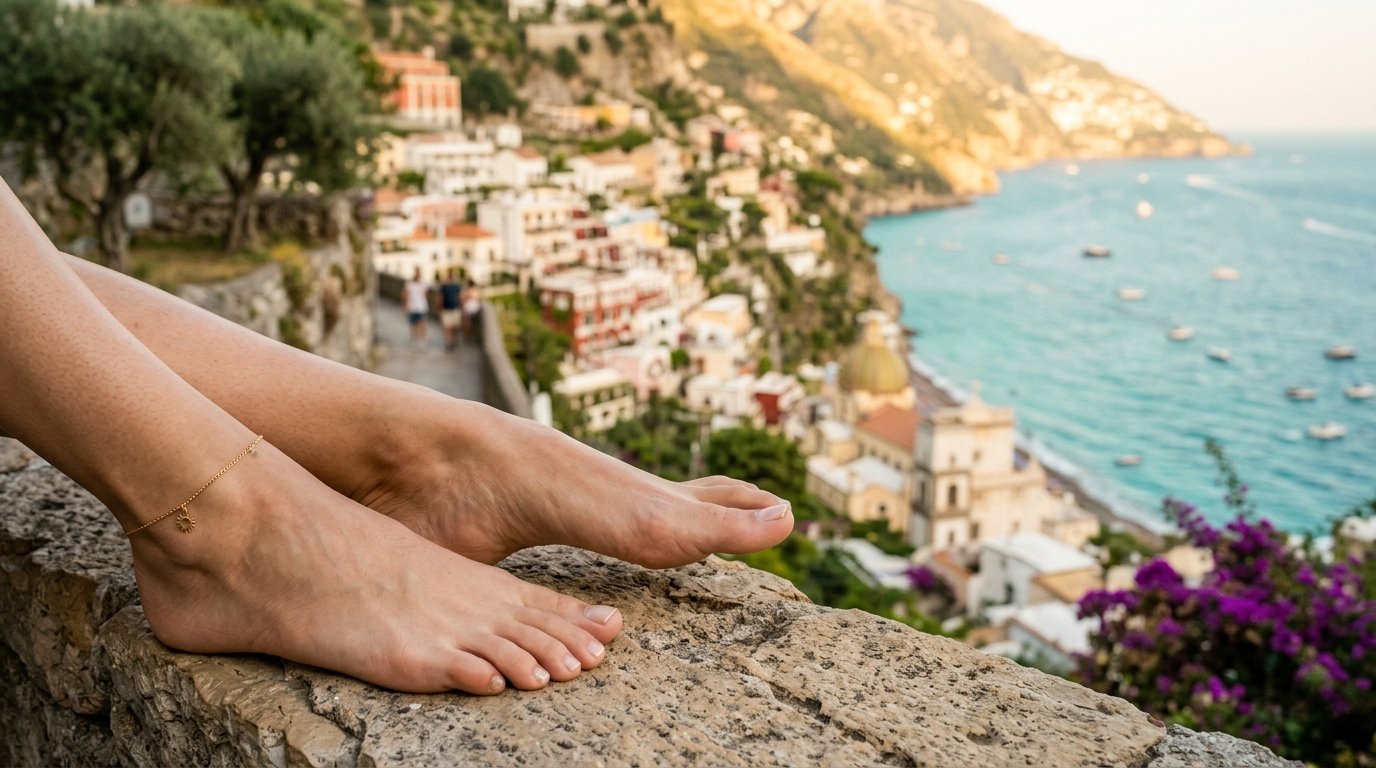
Footography is a niche photography style focused on capturing artistic and commercial images of feet and footwear. It blends elements of fashion, portrait, and macro photography to highlight textures, shapes, and aesthetic details of the lower limbs. With the growth of social platforms like Instagram and TikTok, footography has become more visible in modern visual culture and digital marketplaces. The field is used in advertising, stock photography, beauty marketing, and niche content creation. Photographers typically rely on high-resolution cameras, macro lenses, controlled lighting, and strong composition techniques. Due to its low startup costs and flexible online distribution, footography can also serve as a small creative business for photographers who build strong portfolios and market their work effectively.
There are 4 main benefits of footography for creators, including high market demand, low startup costs, creative flexibility, and the ability to work remotely as an online business. It is used primarily in fashion advertising, health marketing, stock photography, and niche digital content creation. The main components of footography involve high-resolution cameras, specialized macro lenses (ML), controlled lighting setups, and specific foot anatomy knowledge to ensure high-quality composition.
Defining Footography: What Is It?
Footography is the art and practice of capturing aesthetically pleasing or stylistically significant images of feet. It combines the technical elements of photography with a focus on foot aesthetics. This field is more than just taking “foot pictures”; it is a creative discipline that utilizes macro capabilities and fine art photography techniques to transform a specific body part into a visual narrative.
The Rise of Footography in Visual Culture
Footography has grown into a prominent feature of modern visual culture due to shifts in art and technology. While photography made art available to a wider audience in the 19th century, digital platforms like Instagram and TikTok have popularized foot-focused content in the 21st century. This cultural shift reflects a growing appreciation for diverse body parts as subjects of artistic expression.
Understanding the Appeal of Foot Imagery
The appeal of foot imagery stems from its versatility in both commercial and private sectors. There are 6 main groups that drive the demand for foot portraits:
-
Foot fetish fans seeking unique content.
-
Stock photo sites requiring diverse foot types.
-
Advertisers for footwear and apparel.
-
Beauty companies promoting nail and skin care.
-
Movie makers for specific close-up scenes.
-
Blogging and foot care businesses for educational content.
How To Start With Footography: Beginner-Friendly Guide
To start with footography, gather essential gear and practice basic techniques. Starting a foot photography business often costs between $0 and $500 for beginners.
-
Acquire a camera. Use a camera with macro capabilities, such as the Canon EOS 90D or Sony Alpha a6400.
-
Invest in lighting. Use ring lights or softboxes to create even skin tones.
-
Use a tripod. Set up a tripod to ensure stability during close-up shots.
-
Learn composition. Apply the rule of thirds and experiment with arches and toe alignment.
-
Practice foot care. Ensure models use moisturizing creams and maintain trimmed nails for a professional look.
Footography as a Niche in Professional Photography
Footography has established itself as a viable niche within the professional photography industry. Success in this field requires specialized skills, such as mastering lighting for various skin tones and understanding foot anatomy. Statistics show that 85% of successful photographers in this space prioritize a strong portfolio, while 76% believe a unique style is the primary factor for standing out in the market.
Marketing Strategies for Foot Photographers
Smart marketing strategies are required for foot photographers to succeed in 2026.
-
Leverage social media. Use Instagram, Pinterest, and TikTok to share foot imagery and behind-the-scenes clips.
-
Build a brand. Create a unique brand identity by focusing on specific themes, such as barefoot beach narratives or urban pavement portraits.
-
Optimize for SEO. Use keywords like “selling feet pics” and “artful foot pictures” on your professional website.
-
Network with creators. Join online communities on platforms like Flickr or The Toe Gallery to connect with peers and clients.
Making Money With Footography: Monetization Opportunities
There are 5 main ways to earn money through footography:
-
Sell digital downloads. Use platforms like FeetFinder.com or stock photo sites.
-
Offer custom shoots. Charge for personalized foot portraits based on client requests.
-
Create online courses. Teach others about lighting and composition in footography.
-
Sell editing presets. Provide Lightroom presets specifically designed for skin textures.
-
Brand collaborations. Partner with footwear or wellness brands for sponsored content. Top creators on FeetFinder often earn $10,000 monthly, with some annual incomes reaching $70,000.
The Psychology Behind Foot Fetishism and Its Impact on Footography
The psychology behind foot fetishism significantly impacts the footography market. Neuroscientist V. S. Ramachandran suggests that the brain’s somatosensory cortex maps the feet adjacent to the genitals, which may explain the prevalence of podophilia. Research indicates that 47% of individuals in fetish-focused groups prefer feet. Understanding these psychological drivers allows photographers to create content that resonates with specific audiences while maintaining professional boundaries and ethical standards.
Frequently Asked Questions
How much can you make with footography?
You can make between $1,000 and $10,000 per month with footography. Your income depends on your marketing reach, the quality of your portfolio, and the platforms you use to sell your work.
Is footography legal?
Yes, footography is legal as long as you own the copyright to your images and comply with platform-specific content policies. Always use contracts when working with models to ensure consent.
What is the best camera for footography?
The best camera for footography is one with high resolution and macro lens compatibility, such as the Sony Alpha a6400. Macro lenses are necessary to capture the intricate details of foot textures.
Where can I sell foot photos?
You can sell foot photos on dedicated platforms like FeetFinder, social media sites like Instagram, or through your own independent website.
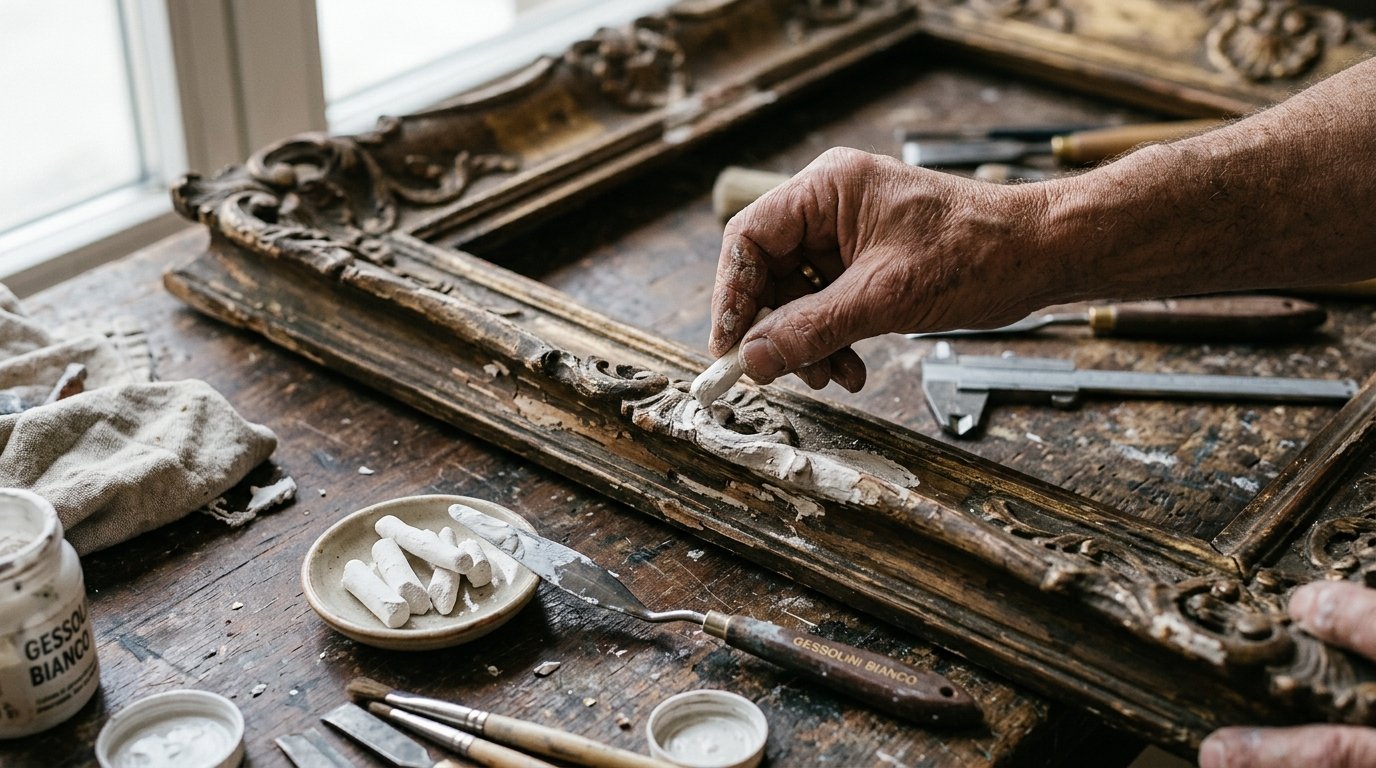
Gessolini is a versatile term rooted in Italian craftsmanship, referring to both traditional plaster materials used in art and modern textured laminate surfaces like Gesso Lini. Widely used in interior design, furniture manufacturing, and restoration, it combines durability, aesthetic appeal, and technical performance. Gessolini represents the fusion of heritage, material innovation, and contemporary design applications.
Gessolini is a term representing both a specific decorative surface aesthetic and a traditional Italian artistic material used for texture and preparation. It works as a bridge between historical craftsmanship and modern interior design. Gessolini offers 3 primary benefits: high-performance durability in commercial spaces, a sophisticated “fine textured surface” with low reflectivity, and a versatile color palette like the “pale grayish straw” of Gesso Lini Matt. The main uses of Gessolini include the manufacturing of “Melamine doors,” “Benchtops & Laminate” surfaces, and fine art restoration using “small sticks of fine plaster.” Its main components consist of “MDF” (Medium Density Fiberboard) substrates, “High Pressure Laminate” (HPL) layers, and “SDS ABS Edging” for seamless finishes.
What Is Gessolini?
Gessolini refers to “little chalks” or “small bits of plaster” derived from the Italian word “gesso.” In modern industrial contexts, it specifically identifies the “Gesso Lini” color and texture range produced by “Polytec.” This product features a “fine textured surface” that mimics a “matchstick type grain.”
There are 4 main technical specifications for the “MDF 162412 DS Gesso Lini Matt MR E0” board:
-
Finish: Matt.
-
Substrate: Moisture Resistant (MR) MDF.
-
Emission Standard: E0.
-
Texture: Fine grain lines with a pale grayish straw hue.
Gessolini in Art and Profession
Artists and restorers use gessolini to build surface texture on canvases and frames. These small sticks of fine plaster allow artisan decorators to achieve creative achievements in historical restoration. Professional woodworkers and designers utilize the “Product Range” of “Gesso Lini” to create cohesive interior environments.
The “Technical Data” for professional applications includes:
-
High Pressure Laminate Technical Data Sheet: Guidance for heavy-duty surface application.
-
MDF Environmental Product Declaration (EPD): Information regarding the environmental impact of the core material.
-
SDS Melamine Panels: Safety data for handling prefinished boards.
-
Fire Rating High Pressure Laminate: Certification for safety compliance in commercial buildings.
A Word that Travels: Gessolini’s Broader Uses
Gessolini functions as a family surname and a digital identifier beyond its material origins. It reflects “Italian roots” and a legacy of migration. In the digital “realm,” “Gessolini” serves as a unique tag for “strategic forecasting” and “market simulations” in niche data analytics communities.
The “Gesso Lini” name also extends to a variety of edge treatments and finishes, including:
-
Rigid 1mm x 21mm UG: Used for standard cabinetry edges.
-
SDS PVC Edging: Provides a durable seal for “Decorative doors & panels.”
-
SDS ABS Edging: Offers a chlorine-free alternative for “Edgetape Decorative.”
Cultural Significance and Personal Identity
Gessolini symbolizes the intersection of heritage and modern “actionable recommendations” for design. For those with Italian ancestry, the name represents a “family surname” tied to the “artisan” traditions of the Mediterranean. It evokes the “artistic essence” of “handmade” creations and “unique” glazes.
In contemporary design, “Gesso Lini Matt” is often paired with other textures like “Woodmatt” or “Avellino” to create a “COMMERCIAL” or residential “DECORATIVE” look. This pairing helps “develop” a specific aesthetic “skill” in interior coordination.
Why Gessolini Matters in Contemporary Life
Gessolini remains relevant because it combines “Technical Data” precision with “artistic essence.” Architects rely on the “Availability Guide” and “Availability by Colour” sheets to ensure project timelines are met. Furthermore, the “Antibacterial HPL” and “Antibacterial Certificate HPL” make Gessolini surfaces essential for modern hygiene standards in “BENCHTOPS” and “COMMERCIAL” kitchens.
Maintenance is straightforward if you follow the “Melamine Range Care & Maintenance” and “Benchtops and laminate Care & Maintenance” guides. These documents provide “Smooth Care Maintenance” steps to “improve” the longevity of the “fine textured surface.”
Final Thoughts on the World of Gessolini
Gessolini is an enduring symbol of how “fine textured surface” materials and “Italian roots” shape our physical and digital worlds. Whether you are looking for a “Laminate Gesso Lini” for a “Benchtop” or researching the “artistic essence” of plaster sticks, the term represents quality.
Ensure you check the “Chain Of Custody Certificate” and “VOC Emissions HPL Certificate” for your next project. By utilizing the “Product Info (PDF)” and “Matera laminate Technical Data Sheet,” you can incorporate the “pale grayish straw” beauty of Gessolini with total confidence in its “Technical Data” and performance.
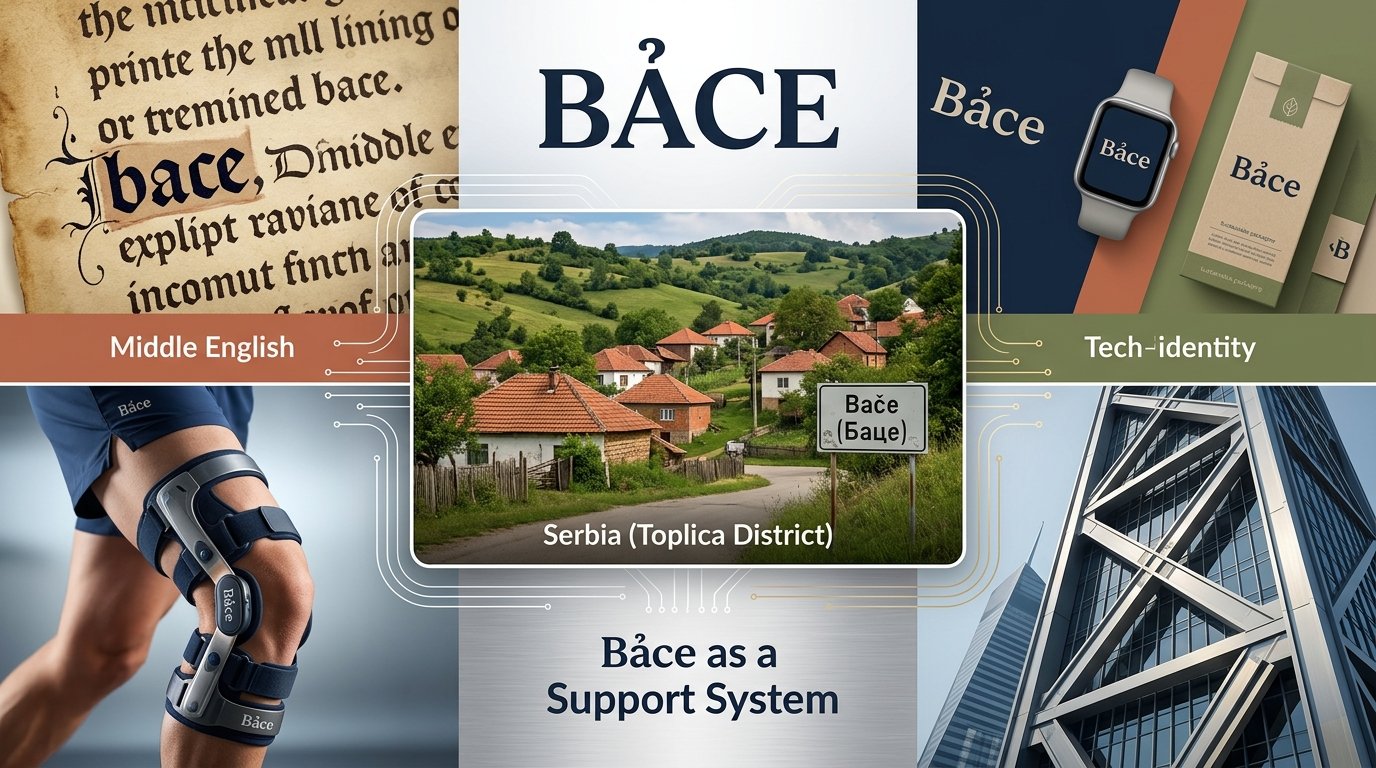
Bảce is a versatile term that blends linguistic creativity, cultural heritage, and modern functionality. It represents everything from a Serbian village to a conceptual “brace” symbolizing strength and support in branding, technology, and healthcare. Its unique diacritic styling enhances brand identity, while its broader meaning reflects adaptability, structure, and resilience across different industries.
Bảce uncovers rich, historical layers that bridge ancient linguistics and modern structural design. This unique term operates as an implicit definition of foundational strength, acting as a conceptual anchor in branding, geography, and personal resilience. The main benefits of Bảce include its ability to provide a distinctive visual identity for businesses and a stable framework for physical or emotional support. Its main uses range from identifying rural Serbian villages to implementing rigid or flexible support systems in engineering and sports medicine. The main components of Bảce consist of its linguistic roots, geographical presence in the Balkan region, and its diverse applications as a physical, emotional, and structural brace (Bảce).
What Does Bảce Mean?
It is a multifaceted term referring to a small Serbian village, a stylistic linguistic form, and a conceptual support system. The meaning of Bảce changes based on its application in technology, branding, or geography. In a branding context, Bảce communicates authenticity and minimalist style. In a structural context, it functions as a synonym for a “brace” or foundational support. Because Bảce has no single fixed definition, its significance is derived from the specific environment where it appears.
Linguistic and Historical Roots
The linguistic roots its appearance suggests often lead back to the Vietnamese language. This is due to the “ả” diacritic, which indicates a rising tone in northern dialects. While it is not a standard word in the Vietnamese lexicon, the accent provides a unique aesthetic often used in modern branding efforts to evoke international appeal.
Beyond modern aesthetics, the historical evolution Bảce represents connects to Middle English. In medieval English, the word “bace” was a common variant of “base,” signifying a foundation or starting point. Other linguistic connections include:
-
Germanic: Related to concepts of physical force or a fundamental base.
-
Danish and Swedish: Historical phonetic similarities to words meaning “to strike” or “blow.”
-
Middle English: Used before standardized spelling to describe structural foundations.
Geographical Significance
It finds a real-world home in the southern region of Serbia. It (Serbian Cyrillic: Баце) is a small village located in the Prokuplje municipality within the Toplica District. This village in southern Serbia serves as a snapshot of rural Serbian life.
The historical context Bače exists within is defined by the following data:
-
2002 Census: The village recorded a population of 284 residents.
-
2011 Census: The population declined to approximately 230 people.
-
Modern Trends: Like many small Balkan villages, Bače faces depopulation due to urban migration.
It is emblematic of traditional rural way of life, where agriculture and tight-knit community networks are central to survival. Small places like this hold cultural and historical significance because they preserve local dialects and customs that are often lost in larger cities.
Bảce in Modern Branding and Design
It in modern branding and design functions as a tool for distinction. The visual diacritic and minimalist structure align with Minimalist Branding Trends. Companies use the brand name Bảce to trigger marketing psychology benefits, such as high recall rates and a premium feel.
Consumer perception is influenced by the “ả” accent, which makes a brand feel exotic or “tech-forward.” This strategy is prevalent in the fashion, tech, and lifestyle industries, where a name must be memorable without needing a literal dictionary definition.
Bảce in Technology and Professional Contexts
In professional spheres, it refers to core systems and foundational architecture. Software developers and engineers use Bảce as a conceptual form to describe the base layer of a project.
In the medical and health sectors, the term relates to:
-
Orthotics: Devices that support the human body.
-
Sports Medicine: The use of knee braces and back braces to stabilize ligaments.
-
Engineered Design: Implementing support systems to increase mechanical stability.
Why Bảce Has No Single Fixed Definition
It has no single fixed definition because it is a living, evolving term. The conceptual form it is open to interpretation, allowing it to adapt to different industries. In a digital world, words often move away from rigid meanings to become symbols of identity or function. This fluidity allows Bảce to represent a village in one context and a “Bảce crypto guide” or “Bảce token price” in another.
Common Misconceptions About Bảce
There are 3 common misconceptions about Bảce that often confuse researchers:
-
Language Origin: Many assume it is a standard Vietnamese word. It is not; it is a stylistic use of Vietnamese diacritics.
-
Fixed Definition: People often search for a single translation. Bảce is a contextual term with varying meanings.
-
Purely Decorative: Some view the accent as fluff. In reality, it is a deliberate choice for brand differentiation and cultural signaling.
Why Bảce Matters in Modern Discourse
It matters in modern discourse because it represents the intersection of heritage and innovation. It shows how a small village in the Toplica region can share a name with a high-end branding concept or a medical support device. Understanding it helps individuals comprehend how language communicates purpose and resilience in a globalized society.
FAQs
What is the population of the village of Bače?
The village of Bače had 230 residents according to the 2011 census, though the number has likely decreased since then.
Is Bảce used in medical support?
Yes, it (as a variant of “brace”) refers to physical supports like knee braces, back braces, and orthotics used to improve posture and protect ligaments.
Does Bảce have a cryptocurrency?
While the term appears in searches like “Bảce crypto guide” or “Bảce coin price,” it is often used as a placeholder or brand name for emerging digital assets.
Why does Bảce have an accent mark?
The accent mark “ả” is used for stylistic distinction in branding to create a unique visual identity and evoke an international feel.
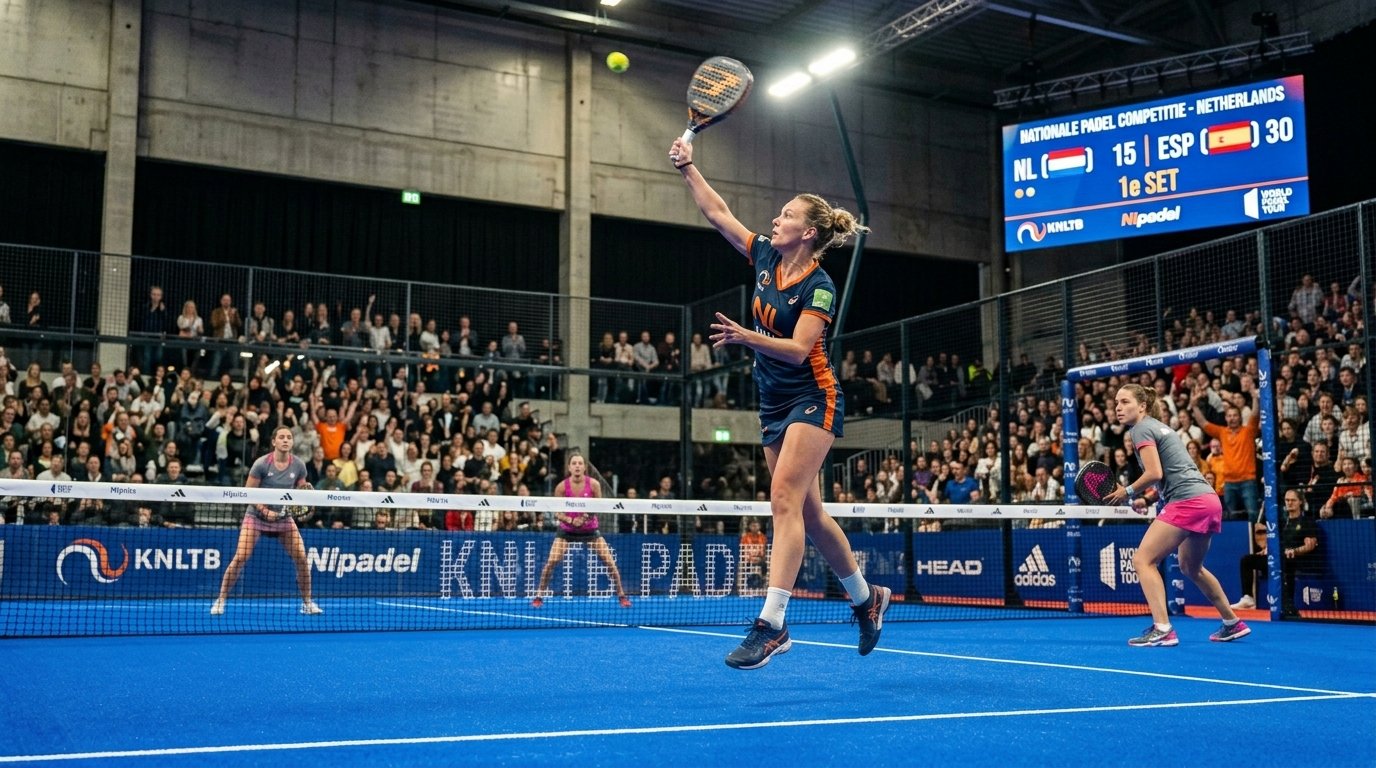
Nlpadel represents the organized padel ecosystem in the Netherlands, combining accessible sports culture with modern infrastructure and community-driven engagement. Governed by organizations like the Royal Dutch Lawn Tennis Association, it offers structured leagues, certified coaching, and digital tools for booking and rankings. The sport’s rapid growth is driven by its social nature, easy learning curve, and health benefits such as improved cardiovascular fitness and mental agility. With expanding courts, competitive tournaments, and strong community support, nlpadel is shaping the future of recreational and professional padel in the Netherlands.
Padel has transformed the European sports scene, and nlpadel stands at the center of this movement in the Netherlands. Nlpadel is the organized padel landscape within the Netherlands, representing a rapidly growing sports culture built around accessibility, community, and modern infrastructure. The main benefits of nlpadel include improved cardiovascular health, increased social connectivity, and the development of mental sharpness through fast-paced strategic play. You use nlpadel to find well-maintained courts, participate in local leagues, and access professional coaching. The main components of this ecosystem consist of a network of Padel Clubs, digital booking tools, certified coaching programs, and a structured ranking system managed by organizations like the Royal Dutch Lawn Tennis Association (KNLTB).
The History of Nlpadel
Padel landed in the Netherlands several years ago as a niche interest. Small groups originally played on makeshift courts before the sport gained mainstream traction. As interest surged, organizers saw the need for a structured Dutch approach to the game.
They created a formal framework to guide the growth of the sport. This led to the establishment of the Nederlandse Padelbond and its subsequent integration with the Royal Dutch Lawn Tennis Association (KNLTB). Today, the organized padel landscape includes professional leagues and a community-driven sports movement that continues to expand nationwide.
Why Padel Is Thriving in the Netherlands
Padel is thriving in the Netherlands because the sport is easy to learn and social by design. The smaller court size and use of walls create longer rallies, which makes games engaging for Dutch players of all fitness levels.
Dutch sports culture values inclusivity, helping the sport spread quickly through local neighborhoods. There are 3 primary reasons for this rapid growth:
-
Accessibility: Most people can start playing without prior racket sports experience.
-
Social Interaction: The four-player format encourages a social sporting activity.
-
Engagement: The game remains fun even during the initial learning phase.
Benefits You Enjoy From Nlpadel
There are 4 main health benefits you enjoy from participating in the nlpadel ecosystem:
-
Heart Health: Constant movement during matches helps increase cardiovascular endurance.
-
Muscle Strength: Regular play helps develop lower body strength and agility.
-
Mental Well-being: Quick decision-making keeps your brain active and reduces stress.
-
Social Bonds: The court serves as a meeting spot to form new friendships.
Many players say they sleep better at night and feel more positive after a session. These benefits improve your overall quality of life while you sharpen your skills.
Infrastructure and Court Development
Infrastructure is a strong pillar of the Dutch padel scene. You can find Padel Courts in major cities like Eindhoven and Amsterdam, as well as in smaller rural towns. These facilities often feature modern surfaces and weather-resistant designs suited to the Dutch climate.
There are 2 main types of facilities available:
-
Indoor Padel centers: These allow for year-round play regardless of rain or wind.
-
Outdoor Padel courts: These provide a vibrant atmosphere during the summer months.
Developers use high-quality materials to ensure well-maintained courts that meet the standards of the Federación Internacional de Padel (FIP).
Training, Coaching, and Skill Development
Professional coaching plays a key role in the credibility of the sport in the Netherlands. Structured training programs help beginners learn fundamentals like the Bandeja, Vibora, and Chiquita.
To improve your game, you can access various resources:
-
Padel Training: Focused sessions on Padel Techniques and footwork.
-
Padel Coaching: Strategic guidance from certified professionals.
-
Video Analysis: Digital tools that show your form to help you adjust quickly.
Professional coaching plays a vital part in injury prevention and long-term skill acquisition.
Tournaments and Competitive Play
Competition provides clear pathways for players to test their skills. The Nationale Padel Competitie offers organized matches for various skill levels.
There are 3 main competitive levels in the Netherlands:
-
Beginner Padel leagues: Focus on fun and basic match play.
-
Intermediate tournaments: Help players refine their Remate and match strategy.
-
Advanced Padel events: Feature top nlpadel talent competing for national rankings.
Events are managed through fair ranking systems, often visible on platforms like toernooi.nl. This structure supports both recreational players and those aiming for the World Padel Tour (WPT) or Premier Padel levels.
Digital Tools and Community Engagement
Technology has strengthened the community by simplifying how players connect. Online booking systems allow you to reserve a court in seconds.
Key digital components include:
-
Match scheduling tools: These help you find partners with a similar nlpadel speelsterkte (play strength).
-
Ranking tools: A dedicated nlpadel rekentool helps calculate your current rating.
-
Social platforms: Groups on Facebook, Twitter, and WhatsApp keep the community-driven sports movement active.
These digital tools reduce barriers to entry and encourage consistent participation across the country.
Advanced Tips For Success In Nlpadel
To succeed in a competitive environment, you must focus on your gear and strategy.
Select The Best Equipment
There are 4 essential items of Padel Equipment you need:
-
Padel Rackets: Choose a lighter racket to increase your swing speed.
-
Padel Shoes: Use shoes with strong grip to stop and turn without pain.
-
Padel Balls: Always use fresh balls to ensure a consistent bounce.
-
Padel Clothing: Wear breathable fabrics to stay comfortable during intense rallies.
Master The Strategy
You should practice the Bandeja to keep your opponents at the back of the court. Learn the Padel Rules thoroughly, especially regarding how to use the walls. Using the walls lets you play clever angles and tricks. Points add up to fifteen in most games, similar to tennis, but the strategy is unique.
Watch professional matches to see the Dutch approach to positioning. Soon you will follow every rule and strategy without thinking twice.
-

 Entertainment2 months ago
هنتاوي.com Hub for Trending Arabic Content and Digital Stories
-
Others2 months ago
Insert Han Reference Here: The Veilside Fortune RX-7
-
Others2 months ago
Humble Celebrity: Ramon Bautista’s Lancer “Evo III”
-
Others2 months ago
Pure Rally Bred: Law’s Lancer Evolution VI Tommi Makinen Edition
-

 Technology2 months ago
Eporer Revolutionize Industries with Innovation and Efficiency
-
Others2 months ago
Everyday Show Car: Henry’s Jaos Complete Edition Toyota FJ Cruiser
-

 Business2 months ago
Charfen.co.uk Smart Business Growth and Leadership Solutions
-

 Gaming2 months ago
Garforfans Ultimate Fan Hub for Gaming and Pop Culture