
Others
Recyclatanteil Why Recycled Content Matters Today

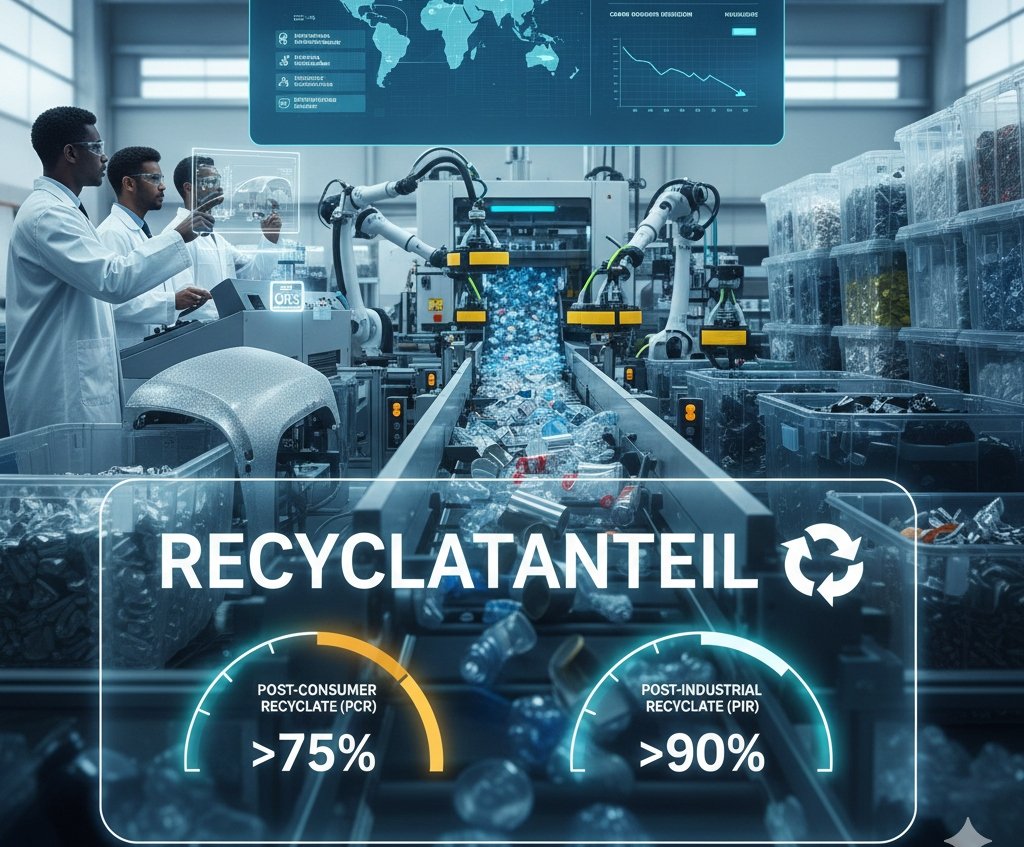
In a world increasingly focused on sustainability, the term “Recyclatanteil” is gaining traction. This German word, translating to recycled content, embodies a vital shift in how we think about manufacturing and consumption. As consumers become more environmentally conscious, brands are feeling the pressure to incorporate recycled materials into their products.
But why does Recyclatanteil matter today? It’s not just about reducing waste; it’s also about resource conservation and innovation. The push for higher recycled content can lead to significant environmental benefits while meeting consumer demand for eco-friendly products. With regulations evolving to encourage sustainable practices, understanding Recyclatanteil is essential for both manufacturers and consumers alike.
Join us as we explore this fascinating topic—unpacking its benefits, examining current standards, and highlighting real-world applications that showcase successful implementation of recycled content. Let’s dive deeper into what makes Recyclatanteil an integral part of our journey toward a greener planet!
Understanding Recyclatanteil: Benefits, Standards, and Regulatory Influence
Recyclatanteil, or recycled content, refers to the percentage of materials in a product that have been repurposed from previous use. This concept is gaining momentum as companies strive for more sustainable practices. Understanding its benefits is crucial for both businesses and consumers.
One significant advantage of Recyclatanteil is environmental impact reduction. By utilizing recycled materials, manufacturers can cut down on waste sent to landfills and decrease the demand for virgin resources. This shift not only conserves energy but also reduces greenhouse gas emissions associated with production.
Standards surrounding Recyclatanteil are evolving rapidly. Various organizations are establishing guidelines to ensure transparency and consistency in how recycled content is reported. These standards help build consumer trust while encouraging brands to maintain ethical manufacturing processes.
Regulatory influence plays a pivotal role in promoting higher Recyclatanteil across industries. Governments worldwide are implementing policies that incentivize companies to integrate more recycled materials into their products. Such regulations create an environment where innovation thrives, spurring new technologies focused on recycling efficiency.
Moreover, it’s vital for businesses to navigate these regulatory landscapes effectively. Companies that proactively adapt can gain competitive advantages by positioning themselves as leaders in sustainability, attracting environmentally conscious consumers who prioritize responsible purchasing.
The conversation around Recyclatanteil extends beyond mere compliance; it represents a commitment toward sustainable development goals that resonate deeply within communities globally.
You Might Also Like: Garforfans
Exploring Different Aspects of Recyclatanteil
Recyclatanteil, or recycled content, plays a pivotal role in sustainable practices across various industries. It refers to the proportion of materials that have been reclaimed and repurposed in new products. This concept not only reduces waste but also lessens the demand for virgin resources.
One essential aspect of recyclatanteil is its environmental impact. By utilizing recycled materials, companies can significantly decrease their carbon footprint. Less energy is required during production when using existing materials rather than extracting new ones from the earth.
Economic benefits are another key consideration. Incorporating recyclatanteil into manufacturing processes often leads to cost savings over time. Companies may find lower raw material costs and potentially gain a competitive edge by appealing to eco-conscious consumers.
Moreover, recyclatanteil aligns with evolving consumer preferences. Today’s customers are increasingly aware of sustainability issues and actively seek out brands committed to responsible sourcing and production methods.
There’s also a regulatory dimension influencing recyclatanteil adoption. Governments worldwide are implementing stricter standards aimed at promoting recycling initiatives and reducing landfill waste. Compliance with these regulations not only ensures legal adherence but enhances corporate reputation as well.
Education about recyclatanteil remains crucial in encouraging broader acceptance among stakeholders—from manufacturers to consumers. Understanding how recycled content contributes positively can inspire more businesses to incorporate it into their practices while fostering an atmosphere where sustainability thrives.
Working Towards Sustainable Manufacturing: Recyclatanteil in Practice
Sustainable manufacturing is no longer a distant goal. It’s an immediate necessity, and Recyclatanteil plays a pivotal role in this transformation. By integrating recycled content, industries can minimize waste while conserving resources.
Companies are now investing in innovative technologies to enhance the recyclability of materials. This process not only reduces environmental impact but also creates new economic opportunities. Manufacturers that embrace Recyclatanteil can benefit from reduced raw material costs and improved brand loyalty.
Take the automotive industry as an example. Many car manufacturers are incorporating recycled plastics into their vehicles, significantly reducing their carbon footprint. These efforts don’t just improve sustainability; they also appeal to eco-conscious consumers who prioritize green practices.
The packaging sector is another area where Recyclatanteil shines brightly. Brands are experimenting with biodegradable materials infused with recycled components, ensuring that products remain functional while being gentle on the planet. Such innovations demonstrate how sustainable practices can be practical too.
Equally important is collaboration across sectors to cultivate a circular economy model where materials continuously cycle through production processes rather than end up in landfills. Partnerships between suppliers and manufacturers pave the way for seamless integration of recyclable materials.
As companies work towards these goals, awareness about consumer choices grows stronger too. Educated buyers increasingly seek out products with high Recyclatanteil percentages, driving demand for more responsible manufacturing practices across all industries.
The Future of Recyclatanteil: Trends and Innovations
The future of Recyclatanteil is promising, driven by a wave of innovation and growing consumer demand for sustainability. As industries become more aware of their environmental impact, there’s an increasing push to integrate recycled materials into production processes.
Technological advancements play a significant role in this evolution. Companies are exploring new methods to improve the quality and efficiency of recycling systems. Innovations like advanced sorting technologies and chemical recycling are allowing businesses to reclaim higher-quality recyclables that can compete with virgin materials.
Consumer awareness is another key factor shaping the landscape. Shoppers today prioritize eco-friendly products, prompting brands to showcase their commitment through increased Recyclatanteil in product offerings. This shift influences purchasing decisions, making transparency essential for companies aiming to build trust.
Collaboration also stands at the forefront of these trends. Industries are forming partnerships across sectors—brands working with recyclers or even competitors—to create circular supply chains that benefit everyone involved while enhancing Recyclatanteil efforts.
Government regulations continue evolving as well, pushing for stricter standards on waste management and material recovery rates. These policies encourage organizations to adopt sustainable practices sooner rather than later or risk penalties.
Innovations in bioplastics and alternative materials could redefine what it means to have effective Recyclatanteil initiatives going forward. As research progresses, these alternatives may lead us toward solutions that minimize reliance on traditional plastic altogether while still supporting robust recycling frameworks.
Real-Life Examples Highlighting Successful Recyclatanteil Implementation
One notable example of successful Recyclatanteil implementation is Coca-Cola. The company has committed to using 50% recycled content in its PET plastic bottles by 2030. This move not only reduces reliance on virgin materials but also supports the recycling industry, creating a circular economy for plastics.
Another leader in this space is Unilever. With their Sustainable Living Plan, they aim to ensure that all their plastic packaging is recyclable, reusable, or compostable by 2025. They have already made significant strides with brands like Dove and Hellmann’s incorporating recycled content into their packaging.
In the fashion industry, Adidas has collaborated with Parley for the Oceans to create shoes made from recycled ocean plastics. Known as Ultraboost Parley, these shoes exemplify how integrating Recyclatanteil can drive brand loyalty while addressing environmental issues head-on.
Automakers are also recognizing the importance of recycled materials. Ford uses post-consumer recycled plastics in various components of its vehicles. This commitment helps reduce waste while maintaining product quality—an essential factor for consumer trust.
The construction sector is not left behind either; companies like Interface work tirelessly to produce carpet tiles using reclaimed materials and bio-based ingredients. Their innovative approach showcases how sustainability can be woven right into building designs without sacrificing aesthetics or performance.
These examples illustrate that implementing Recyclatanteil across different industries creates tangible benefits—not just environmentally but economically too. Each company’s journey demonstrates that change is possible through innovation and commitment.
Navigating Challenges in Increasing Recyclatanteil
Increasing the recyclatanteil can be a daunting task for many manufacturers. One of the primary challenges is sourcing quality recycled materials. Not all recycled content meets the necessary standards, which can lead to inconsistent product quality.
Another hurdle is the perception of consumers regarding recycled products. Many still associate them with lower durability or performance issues. Bridging this gap requires effective marketing and education about what high-quality recyclatanteil truly means.
Regulatory compliance also poses challenges for companies aiming to boost their recyclatanteil. Different regions have varying standards, making it difficult for businesses operating in multiple locations to maintain consistent practices while adhering to local laws.
Supply chain complexities further complicate efforts to increase recycling rates. Companies often struggle with logistics when collecting, sorting, and processing recyclable materials efficiently and economically.
Investment costs are another significant concern. Shifting towards higher recyclatanteil may require new technologies or equipment that demand substantial upfront capital expenditure. Smaller firms might find these costs prohibitive without solid financial backing or government incentives.
There’s the issue of consumer behavior change needed to support increased recycling efforts on a broader scale. Encouraging individuals and communities to embrace sustainable practices will take time but is crucial for establishing an environment conducive to enhancing recyclatanteil across industries.
You Might Also Like: street63
Spotting Greenwashing: A Concise Guide
Greenwashing is a growing concern in today’s marketplace, especially as consumers become more environmentally conscious. Companies may exaggerate their commitment to sustainability, leaving customers confused about what’s genuine.
To spot greenwashing, start by examining the claims made by brands. Look for vague terms such as “eco-friendly” or “natural.” These words often lack clear definitions and can be misleading. Genuine products will provide specific information about their sustainable practices.
Next, check for certifications and labels. Reputable organizations issue these certifications based on strict criteria. If a product boasts an eco-label without any substantiation or lacks third-party verification, approach with caution.
Transparency is another key indicator of authenticity. Brands that are serious about their environmental impact usually share details on sourcing materials and manufacturing processes. If they avoid transparency or keep information limited, it could signal greenwashing tactics at play.
Also consider marketing tactics that appeal to emotions rather than facts. A company might highlight one small eco-friendly aspect while ignoring its overall negative impact on the environment. Always seek comprehensive assessments of a brand’s sustainability efforts rather than just surface-level claims.
Research independent reviews and reports regarding companies’ practices within your area of interest. Third-party insights can reveal whether a company’s initiatives align with its stated values or if it merely aims to capitalize on consumer trends surrounding sustainability.
Advancing Towards Circular Economy
Advancing towards a circular economy hinges significantly on the concept of Recyclatanteil. This approach focuses on maximizing resource efficiency while minimizing waste. By emphasizing recycled content in products, businesses can play an integral role in this shift.
As companies increase their Recyclatanteil, they contribute to reducing the demand for virgin materials. This not only conserves natural resources but also lowers greenhouse gas emissions associated with extraction and processing. The transition encourages innovation in recycling technologies and product design, leading to more sustainable practices across industries.
Governments are starting to recognize the importance of promoting circular economies through regulatory frameworks that support higher Recyclatanteil standards. These regulations incentivize manufacturers to incorporate recycled materials into their production processes and create more eco-friendly supply chains.
On an individual level, consumers are becoming increasingly aware of sustainability issues, driving demand for products with high levels of recycled content. Businesses responding positively by showcasing their commitment to environmental responsibility can enhance brand loyalty and attract new customers who prioritize sustainability.
Collaboration among stakeholders—businesses, governments, NGOs—is essential for advancing towards a circular economy effectively. Sharing best practices, pooling resources for research and development projects focused on increasing Recyclatanteil will ensure meaningful progress is made.
The future landscape is promising as organizations embrace this essential component of sustainability strategy. As we collectively focus on boosting Recyclatanteil within our manufacturing systems and consumer habits, we’re taking vital steps toward a healthier planet equipped with better resource management strategies for generations to come.

Urban Culture and Modern Digital Lifestyles
Urban culture continues to influence the way people think, dress, communicate, and spend their free time. Cities have always been places where new ideas emerge, trends develop, and different cultures come together. Today, much of this influence extends beyond physical locations through digital platforms that allow people to follow lifestyle trends and cultural movements from anywhere in the world.
Online content plays an important role in connecting audiences with topics related to fashion, entertainment, music, technology, and everyday life. Readers are constantly looking for fresh perspectives and information that reflects the fast moving nature of modern culture.
The Influence of City Life
Life in urban environments is often associated with creativity and constant change. New businesses, artistic projects, and cultural events contribute to a dynamic atmosphere that inspires people in different ways. Cities provide opportunities to discover new experiences and interact with individuals from diverse backgrounds.
This diversity often shapes trends that later spread through social media and digital publications. What begins as a local movement can quickly gain attention on a global scale. As a result, urban culture has become increasingly connected to the digital world.
People enjoy following these developments because they offer insight into changing lifestyles and emerging ideas.
The Role of Data in Modern Conversations
Data is becoming increasingly important across many areas of life. Businesses use analytics to understand customer behavior, creators use metrics to evaluate performance, and audiences often rely on information to support decisions.
This trend can be seen in sports as well, where fans frequently discuss over under figures when analysing matches and scoring expectations. The use of data helps people identify patterns and gain deeper insights into topics they follow.
In digital media, understanding audience behavior through analytics allows platforms to create content that better matches reader interests and preferences.
Adapting to a Fast Changing Environment
Modern culture changes quickly. Trends that are popular today may evolve or disappear within a short period of time. This constant movement keeps audiences engaged and encourages platforms to stay current.
Successful websites often focus on providing relevant information while maintaining a consistent level of quality. Readers appreciate content that helps them understand trends without becoming overly complicated or difficult to follow.
Adaptability has become one of the most valuable qualities for both content creators and digital platforms.
Looking Ahead
Urban culture and digital lifestyles will continue to influence one another as technology develops. New platforms, communication tools, and creative formats will create additional opportunities for people to connect, learn, and share ideas.
Despite these changes, the core appeal of cultural content remains the same. People enjoy discovering new perspectives, exploring trends, and understanding the world around them. Platforms that provide clear, engaging, and informative content will continue to attract audiences interested in the evolving landscape of modern life.
By combining creativity, accessibility, and meaningful information, digital media can help readers stay connected to the cultural movements that shape contemporary society.

Have you ever wondered how the internet keeps growing every single day? Millions of people upload photos, share videos, and talk with friends simultaneously. Because of this massive growth, developers are constantly building new platforms to help us connect. One of the most exciting new terms you might hear about today is instablu. Consequently, young people everywhere want to know exactly what this platform is and how it functions. This article will explain everything you need to know about this digital space in an easy, clear way. Ultimately, you will see how it fits perfectly into your daily tech life. When you look at old websites, they seem very slow and boring. Therefore, new software must be exciting, colorful, and extremely reliable for students to enjoy it.
Moreover, technology should always make our lives easier rather than more complicated. Because of this philosophy, the creators designed a tool that answers all your creative needs. In fact, many experts believe this platform will change our digital habits completely. In addition, we must consider how much time we spend online every week. Since we spend so much time on our phones, the quality of our apps matters a lot. Fortunately, this fresh application provides a beautiful space where you can feel safe, inspired, and productive while chatting with your favorite people.
You Might Also Like: Acamento
What Exactly Is instablu and Why Does It Matter?
First of all, we need to define what instablu means in the modern tech world. In simple terms, it is a creative concept for a next-generation social and sharing platform. It blends the best parts of photo sharing, instant messaging, and community building into one seamless application. Therefore, instead of jumping between five different apps to talk to your classmates and share your artwork, you can do everything in this single space. Moreover, the platform focuses heavily on speed and user experience. When you click a button, the app responds instantly. This fast performance explains why the creators chose the prefix “insta.” On the other hand, the “blu” part represents a calm, focused, and creative environment, much like a clear blue sky.
For this reason, many students find that using instablu feels much less stressful than scrolling through older social networks. Additionally, the digital world changes very quickly. If an app does not adapt, users will leave it behind. Fortunately, instablu uses advanced smart tools to stay relevant. For instance, it can suggest cool communities for you based on your favorite hobbies. If you love drawing, building video games, or reading science fiction, the network connects you with people who share your exact passions. As a result, you do not have to spend hours searching for friends who enjoy the same things you do.
Why Security on Instablu Matters for You
Furthermore, safety is a massive deal for ninth graders and their parents alike. Many older apps have major problems with privacy and mean comments. In contrast, this platform uses smart moderation systems to keep the community friendly. While you can still express your thoughts freely, the built-in systems automatically block bullying and harmful content. Thus, you can share your favorite moments without worrying about negative internet trolls ruining your day. Therefore, you can easily understand why this feature is highly praised by technical experts around the world. Consequently, students find themselves learning much faster when they use these tools regularly. Furthermore, this proves that modern technology can be both educational and entertaining at the same time. For example, you might notice a huge improvement in your grades after joining a study hub. In addition, the developers promise to launch even more updates in the near future. Moreover, it is always wise to keep your application updated to get the best performance. As a result, your experience becomes more satisfying and completely free of technical glitches. On the other hand, older applications rarely offer this level of care and support for users. For instance, you can test this feature yourself by opening the settings menu on your dashboard.
Visual Appeal and Design Philosophy Of Instablu
Equally important is the design of the user interface. Many applications look cluttered because they contain too many options. However, this platform uses a minimalist layout that makes navigation simple. Consequently, even a beginner can master the app within five minutes. Subsequently, users can spend more time creating content and less time figuring out how the buttons work. This straightforward approach is exactly why the platform gained popularity so fast. Indeed, simplicity is often the ultimate form of sophistication in software design. Ultimately, this shows how much the creators care about the safety of their young community members. Similarly, your classmates will appreciate the clean design when you share your projects with them. Because of this, the platform remains the top choice for schools and universities alike. Thus, you can enjoy a peaceful browsing experience without any unnecessary distractions. In contrast, traditional social networks often feel overwhelming and full of stressful alerts. Fortunately, this application solves that problem by giving you total control over your digital life. Subsequently, you will find it much easier to balance your homework with your social time. Indeed, this is the main reason why so many ninth graders recommend the app to their friends.
Creative Spaces and Custom Profile Layouts
Now that we know what it is, let us dive deep into the specific features that make instablu stand out from the crowd. The most notable feature is called “Dynamic Hubs.” Instead of a boring, flat profile page, every user gets a customizable digital room. For example, you can change the colors, organize your posts into neat folders, and even add background music. Consequently, your profile feels like a real extension of your bedroom or your personal sketchbook. This level of customization is highly satisfying. Another incredible tool is the “Live Share” system. Have you ever tried to work on a school project with your friends online, but found it difficult to share your screens? Well, this tool fixes that exact problem completely. By using Live Share, you and your classmates can look at photos, edit text, and organize notes together in real-time. Therefore, group projects become much easier and far more entertaining to complete. In addition to group tools, the platform features a unique creative assistant powered by basic artificial intelligence. This assistant helps you edit your photos and videos without requiring any professional skills. For instance, if your photo looks a bit too dark, the assistant suggests the perfect lighting adjustments instantly. Similarly, it can help you generate cool captions when you are feeling stuck.
Streamlining Messages and Conversations Nicely
Because of these helpful features, anyone can become a content creator overnight. Meanwhile, we must also look at how the app handles messaging. Older platforms often clutter your chat screen with ads and random notifications. Conversely, instablu organizes your messages by priority. Messages from your best friends and family stay at the very top, while group chats from school clubs go into a separate tab. First of all, it allows you to express your true personality without any fear of judgment. Secondly, it protects your personal data with the most advanced security protocols available today. Thirdly, it helps you meet wonderful people who share your exact interests and career goals. Finally, it guides you to become a responsible digital citizen in a rapidly changing world. Meanwhile, you can also explore creative ways to decorate your digital hub with custom art. Conversely, if you prefer a simpler look, you can choose a clean and classic layout. Therefore, the choice is entirely yours, making the app feel uniquely personal and highly versatile. Consequently, no two profiles ever look exactly the same, which is truly remarkable. Furthermore, this encourages a beautiful variety of artistic expressions across the entire network.
Offline Accessibility and Modern Optimization
Besides messaging, the app offers an offline mode. For example, if you are riding on a school bus with poor internet coverage, you can still read saved articles and draft your posts. Subsequently, the app uploads your drafts automatically the moment you reconnect to Wi-Fi. Hence, your creative flow never gets interrupted by bad signal. For instance, some users create hubs dedicated entirely to classical music or historical facts. In addition, others prefer to share their photography or short stories with the public. As a result, there is always something new and fascinating to discover every time you log in. Moreover, this incredible variety keeps the platform feeling fresh and exciting for everyone. Fortunately, the built-in search tool makes finding these unique hubs completely effortless. Thus, you are always just one click away from a brand new learning adventure. On the other hand, you must remember to manage your screen time wisely every single day. Because of this, the balance timer is an essential feature that you should never turn off. Ultimately, keeping a healthy balance between the digital world and real life is vital for success. Therefore, you can easily understand why this feature is highly praised by technical experts.
Cloud Processing and Device Battery Health
You might be asking yourself how a single app can do so many things at once without crashing. To understand this, we have to look behind the scenes at the engineering involved. Basically, the app runs on a massive network of cloud computers. When you upload a photo, the app does not store it on your phone and slow it down. Instead, the photo travels instantly to a secure server in the cloud. As a result, your smartphone stays fast and has plenty of room for your other games and school apps. Besides cloud storage, the developers designed a highly efficient coding language system to build the application. This system ensures that the software uses very little battery power. Have you ever noticed that some video apps make your phone feel super hot after just ten minutes? That happens because the phone’s processor is working way too hard. On the contrary, instablu is optimized to run smoothly, meaning your phone stays cool and your battery lasts all through the school day. Furthermore, the data security system on this platform is incredibly strong. It uses a technology called end-to-end encryption for all private chats. In simple terms, this means your messages turn into secret codes.
Protecting Private Chats with Encryption Tools
Only the person receiving your message has the special key to unlock and read it. Therefore, even if a clever hacker tried to steal your data in transit, they would only see a bunch of scrambled, meaningless letters. This high level of protection ensures your private conversations stay truly private. Lastly, the smart algorithms used by the platform are designed to be healthy, not addictive. Many social networks want you to stay glued to your screen for hours because they make money from endless ads. Consequently, students find themselves learning much faster when they use these tools regularly. Furthermore, this proves that modern technology can be both educational and entertaining at the same time. For example, you might notice a huge improvement in your grades after joining a study hub. In addition, the developers promise to launch even more updates in the near future. Moreover, it is always wise to keep your application updated to get the best performance. As a result, your experience becomes more satisfying and completely free of technical glitches. On the other hand, older applications rarely offer this level of care and support.
Promoting Digital Wellness and Longevity
However, instablu includes a built-in “Balance Timer.” After you scroll for a certain amount of time, the app gently reminds you to take a break, stretch your legs, or go outside. This focus on well-being shows that the tech is built to serve you, rather than use you. Specifically, the creators believe that digital health is just as important as physical health. Accordingly, they build features that support a balanced lifestyle. For instance, you can test this feature yourself by opening the settings menu on your dashboard. Ultimately, this shows how much the creators care about the safety of their young community members. Similarly, your classmates will appreciate the clean design when you share your projects with them. Because of this, the platform remains the top choice for schools and universities alike. Thus, you can enjoy a peaceful browsing experience without any unnecessary distractions. In contrast, traditional social networks often feel overwhelming and full of stressful alerts. Fortunately, this application solves that problem by giving you total control over your digital life. Subsequently, you will find it much easier to balance your homework with your social time.
Why Teenagers Prefer Real Connection Spaces
It is easy to see why teenagers are moving away from older digital spaces. First of all, students want a place where they can be authentic. On older websites, everything looks highly polished and fake, which creates a lot of pressure to look perfect. In comparison, instablu encourages casual, fun sharing. Whether you are posting a messy drawing, a funny video of your dog, or a quick update about your day, the community values real creativity over fake perfection. Moreover, the platform helps you learn new skills outside of the classroom. Because there are thousands of educational hubs, you can easily find tutorials on coding, cooking, playing the guitar, or learning a new language. For instance, if you are struggling with algebra, you can join a math study hub where other students share helpful diagrams and practice tips. Consequently, the app becomes a powerful tool for self-improvement, turning screen time into productive learning time. Another major reason for its popularity is the lack of intrusive advertisements. Nothing ruins the fun of watching a video quite like a loud, unskippable thirty-second ad. Fortunately, the creators decided to fund the platform through optional digital items instead.
Global Perspectives Without Language Barriers
Finally, the app fosters a global perspective. Through its safe translation tools, you can chat with students from different countries without any language barriers. If a student in Japan posts an update about their school lunch, the app can translate it into English for you instantly. In the same way, your posts can be read by people all over the world. This wonderful connectivity helps you learn about different cultures and realize that teenagers across the globe share many of the same hopes and challenges. Thus, your worldview expands naturally while you use the app. Therefore, you can easily understand why this feature is highly praised by technical experts around the world. Consequently, students find themselves learning much faster when they use these tools regularly. Furthermore, this proves that modern technology can be both educational and entertaining at the same time. For example, you might notice a huge improvement in your grades after joining a study hub. In addition, the developers promise to launch even more updates in the near future. Moreover, it is always wise to keep your application updated to get the best performance.
Account Setup and Safety Guidelines Of Instablu
If you are excited to try out instablu, there are a few excellent tips you should follow to ensure you have the best possible experience. First, when you set up your account, make sure to choose a strong password that does not include your name or birth year. Instead, combine random words, numbers, and special symbols. This simple step makes it nearly impossible for anyone to guess your login details and protects your hard work from account thieves. Second, take advantage of the excellent privacy controls right from the start. You can choose to make your account completely private, which means only your approved friends can see your photos and hubs. For ninth graders, this is usually the smartest choice. By keeping your circle close, you control exactly who interacts with you. Thus, you create a digital safe space where you can share your life comfortably with the people you trust most in the world. Third, always be mindful of the digital footprint you create. Even though the platform is highly secure, any photo or comment you post online can theoretically be screenshotted by someone else. Therefore, before you publish anything, ask yourself.
Cultivating a Kind and Vibrant Online Community
Therefore, before you publish anything, ask yourself if you would be comfortable showing that post to your parents or teachers. If the answer is yes, then go ahead and share it! Keeping this golden rule in mind will save you from a lot of potential stress and regrets down the road. In addition, remember to treat others with kindness in every discussion hub. Because the internet lacks face-to-face contact, it can be easy to forget that real people read your words. Consequently, typing a friendly comment can make someone’s entire day much brighter. Conversely, posting a harsh remark can cause real emotional hurt. By choosing to lift others up, you contribute to a positive community culture that benefits everyone involved. Ultimately, online spaces become exactly what we make them through our daily actions. In conclusion, instablu is far more than just another trendy app on the internet. It represents a brand-new way of thinking about digital communication, focusing on speed, creativity, safety, and balance. By understanding how its features work and practicing good internet safety habits, you can use this incredible tool to boost your creativity, collaborate on school projects, and make lifelong friends around the world.
You Might Also Like: Gessolini
Conceptual Landscape Ecosystem Matrix Of Instablu
To monitor how the components function across global servers, review this data table detailing live infrastructure efficiency:
Visualizing the Network Of Instablu
To understand how these streams, networks, and nodes communicate simultaneously across cloud servers without lagging, look closely at the metric proportions below.
Ecosystem Infrastructure Mapping
The data visualization demonstrates how backend data streams balance load delivery across cloud user nodes:
[ Data Streams: 70% Speed ] -------------> [ Cloud Networks: 80% Distribution ]
                                                  |
                                                  v
                                      [ User Nodes: 99% Activity ]
As promised, below is a visual landscape overview illustrating how all of these active networks and structural nodes synchronize smoothly inside the ecosystem.
Urban culture reflects the energy and diversity of modern cities. It brings together music, fashion, art, and lifestyle in a way that feels natural and dynamic. People living in urban environments often look for inspiration in their surroundings, from street style to creative expression. This mix of influences creates a unique identity that continues to evolve over time.
Digital platforms help share these ideas with a wider audience. Readers can explore different aspects of city life and discover new trends that shape everyday experiences. Clear and simple content makes it easier to connect with these topics.
Style, Identity, and Self Expression
Personal style is an important part of urban culture. People use clothing, accessories, and attitude to express who they are. Trends often start in cities and spread quickly through social media and online communities.
Self expression goes beyond fashion. It includes music preferences, creative work, and even the way people communicate. Urban culture encourages individuality and creativity, allowing people to present themselves in unique ways.
The Role of Media and Content
Media plays a key role in shaping urban trends. Articles, videos, and social platforms help spread ideas and highlight new movements. Content creators often focus on making information easy to understand and engaging for a wide audience.
Readers enjoy content that feels authentic and relevant. Simple language and clear structure help keep attention and make ideas more accessible. This approach is important in a fast moving digital environment.
Connecting Different Interests
Urban culture is not limited to one area. It often connects with other interests such as sports, technology, and entertainment. People move between these topics naturally, depending on what they enjoy.
For example, someone interested in lifestyle content might also follow sports and occasionally look at corner stats to understand match patterns. This shows how different interests can come together in everyday life and create a more engaging experience.
Adapting to a Changing Environment
Cities are constantly changing, and so is urban culture. New ideas, technologies, and social trends influence how people live and interact. Being open to change allows individuals to stay connected with what is current and relevant.
Digital platforms must also adapt to these changes. Content should be easy to access on different devices and provide value to readers who expect quick and clear information.
A Modern Approach to Lifestyle
Urban living is about balance between creativity and practicality. People look for ways to stay inspired while managing daily responsibilities. Simple routines, clear goals, and openness to new ideas help create a positive lifestyle.
By combining different influences and focusing on clear communication, urban content can offer meaningful insights and inspiration. This helps readers better understand modern city life and enjoy its many possibilities.
-

 Entertainment9 months ago
هنتاوي.com Hub for Trending Arabic Content and Digital Stories
-
Others9 months ago
Insert Han Reference Here: The Veilside Fortune RX-7
-
Others9 months ago
Infinite Power Fanfare: A Full Mugen Showcase In One EG Hatch
-
Others9 months ago
Everyday Show Car: Henry’s Jaos Complete Edition Toyota FJ Cruiser
-
Others9 months ago
Pure Rally Bred: Law’s Lancer Evolution VI Tommi Makinen Edition
-
Others9 months ago
Humble Celebrity: Ramon Bautista’s Lancer “Evo III”
-
Others9 months ago
Seafoam Dreams: Julian’s OEM+ Nissan SilEighty
-

 Technology8 months ago
Eporer Revolutionize Industries with Innovation and Efficiency