
News
Why the ASE A6 Cert Is the One Filipino Mechanics Can’t Afford to Skip in 2026


Walk into almost any legit tuning shop in Manila right now and you’ll notice something. The guys who actually know what they’re doing—the ones touching modern JDM builds, late-model Civics, and turbocharged GR86s—they’re not just turning wrenches anymore. They’re reading scan data. Chasing ground faults. Calibrating ADAS systems. The shop floor has fundamentally changed, and a lot of mechanics still haven’t caught up with it.
That’s where the ASE A6 certification comes in.
For those unfamiliar, ASE stands for Automotive Service Excellence—the ASE certification program is the most widely recognized credentialing system for auto technicians in the world. The A6 is their electrical/electronic systems test. It covers everything from starting and charging systems to advanced diagnostics, body electrical, and hybrid battery safety. It’s not entry-level stuff. And in 2026, given how loaded with electronics even a stock car is, it might be the single most relevant cert on that entire list.
Think about the cars we feature here at Street63. Modified Silvias. Boosted Supras. Bone-stock R34s being prepped for track use. Every single one of them has an electrical system that can make or break a build. Run into a short on a modified Evo, and your whole harness is toast. Miss a calibration step after swapping a cluster on an imported Skyline, and half your gauges are lying to you. These aren’t hypotheticals—they’re actual war stories from builders in the scene.
Getting certified through ASE doesn’t just prove you know your stuff. It opens doors. Import shops, performance dealers, and reputable resto outfits in the Metro are actively prioritizing certified technicians over non-certified ones—especially for higher-end builds where a wiring mistake costs real money. In some cases, it’s the difference between landing a job at a reputable shop or staying in the gray market indefinitely.
Now, the exam itself is no joke. The A6 covers a lot of ground in 50 questions, and the way it’s written rewards practical experience over memorization. If you’ve never traced a parasitic draw with a DMM or diagnosed a no-crank condition with a scope, the test will expose that. The best way to prepare is honest repetition—specifically, working through a proper ASE A6 practice test that mirrors the format and difficulty of the actual exam. Don’t just read textbooks. Simulate the test conditions.
For Filipino mechanics who trained locally or came up through informal apprenticeships, the gap isn’t knowledge—it’s confidence in a structured testing environment. That’s fixable. Several technicians in the local scene who’ve cleared the automotive electrical systems certification say consistent practice testing was the biggest contributor to their passing score. Not cramming. Consistency.
And honestly, for anyone serious about growing in this industry—whether you want to build the cars or simply keep them running right—the A6 is worth it. The cars on our streets are only getting more complex. Better to get ahead of it now than scramble to catch up later. If you want to start preparing, a solid resource for ASE A6 exam prep goes a long way toward building that test-day confidence.

Shani Levni is a multidisciplinary artist known for blending traditional artistic techniques with digital media to explore themes of identity, memory, and spirituality. Based in Tel Aviv, her work spans mixed-media paintings, digital compositions, multimedia installations, and spoken word performances. Levni draws inspiration from cultural narratives, including Kabbalah, and from influential figures such as Marc Chagall and Yehuda Amichai. Through exhibitions, workshops, and digital platforms, she aims to preserve cultural memory, encourage social dialogue, and expand the boundaries between technology and contemporary art.
She is a multidisciplinary artist (MA) whose work bridges the gap between digital innovation and traditional craftsmanship. She works by blending cultural narratives with modern technology to create immersive installations and visual art. The main benefits of Shani Levni include the ability to foster social connection, preserve cultural memory, and challenge traditional artistic boundaries. The main uses and applications of Shani Levni involve gallery exhibitions, community-led workshops, and digital platforms that enhance search engine visibility for contemporary creativity. Main components of Shani Levni consist of mixed-media paintings, digital compositions, and site-specific installations.
Who is Shani Levni?
Shani Levni is an emerging multidisciplinary artist (MA) and visual storyteller. She creates art that explores the intersections of identity, memory, and spirituality. Based in the vibrant Tel Aviv art scene, she has gained recognition for her ability to translate complex human emotions into tactile and digital experiences.
She functions as a bridge between the past and the future. She utilizes 5 primary mediums to express her vision:
-
Painting with acrylics and oils.
-
Creating multimedia installations.
-
Designing digital compositions.
-
Performing spoken word.
-
Developing interactive video art.
Understanding the Rise of Shani Levni
The rise of Shani Levni is the result of a gradual process shaped by consistency and strategic awareness within professional circles. Shani Levni stands out because her growth is organic rather than driven by temporary trends. As algorithms favor meaningful engagement, her presence on digital platforms has increased her visibility impact.
There are 3 main factors contributing to her rising reputation:
-
Authenticity: She maintains a genuine human insight that resonates with researchers and readers.
-
Adaptability: She evolves her professional identity to match modern content spaces.
-
Strategic Thinking: She utilizes search engine visibility to reach a global audience interested in digital innovation.
Early Life and the Seeds of Creativity
The creative foundation for Shani Levni was established during her childhood in a culturally diverse environment. She grew up surrounded by literature, music, and diverse traditions, which sparked a natural curiosity. These early experiences acted as the seeds of creativity that eventually blossomed into a professional career.
Her educational background includes a blend of artistic disciplines and social sciences. This interdisciplinary approach ensures her work remains grounded in real-world questions about how people live and relate to one another. Shani Levni believes that art is a tool for processing life, not an escape from it.
The Influence of Her Background and Culture on Her Art
Shani Levni’s art is a vibrant tapestry (VT) of her rich cultural heritage. Shani Levni draws inspiration from Israeli folklore, history, and the collective memory of her community. This background informs every brushstroke, creating a dialogue between ancestral roots and modern digital environments.
She explores 4 recurring cultural themes:
-
Identity: Investigating how family history shapes the self.
-
Belonging: Addressing the duality of alienation and home.
-
Spirituality: Using Kabbalistic texts as poetic meditations.
-
Resilience: Embodying strength through visual narratives.
Professional Identity of Shani Levni
The professional identity of her reflects a balance of creative talent and strategic roles. Shani Levni positions herself as a forward-thinking influence in the digital landscape. She demonstrates professional traits like consistency and clarity, which strengthen trust among art collectors and professional networks.
| Professional Trait | Impact on Career |
| Adaptability | Keeps relevance in changing digital spaces |
| Strategic Thinking | Supports long-term recognition and search rankings |
| Consistency | Builds audience trust and credibility |
Cultural and Creative Associations of Shani Levni
She is associated with creative projects that push the limits of modern reputations. She connects with various areas of the creative world, ensuring her work reaches diverse audiences.
Associations of Shani Levni include 3 main areas:
-
Creative Spaces: Encouraging originality through solo exhibitions.
-
Digital Platforms: Supporting modern engagement via Instagram and online portfolios.
-
Professional Networks: Enhancing credibility through collaborations with analysts and researchers.
Influence and Inspirations
She acknowledges several “giants” who have shaped her artistic voice. Shani Levni draws from both visual artists and literary figures to develop her unique style.
Her primary influences include:
-
Marc Chagall: Inspired her to blend dreamlike imagery with cultural memory.
-
Yosl Bergner: Taught her the importance of empathy in art.
-
Yehuda Amichai: Influenced her exploration of the sacred within the mundane.
Why Shani Levni Stands Out
She stands out because of her commitment to vulnerability and authenticity. She refuses to follow rigid digital landscape trends, choosing instead to focus on genuine human insight. By embracing imperfection, she creates a deep sense of connection with her audience.
She remains a vital voice in contemporary art because she:
-
Prioritizes Meaning: She values connection over commerce.
-
Innovates Fearlessly: She uses technology to enhance, not overshadow, her creativity.
-
Engages Socially: She uses her work as a catalyst for understanding and healing.
News
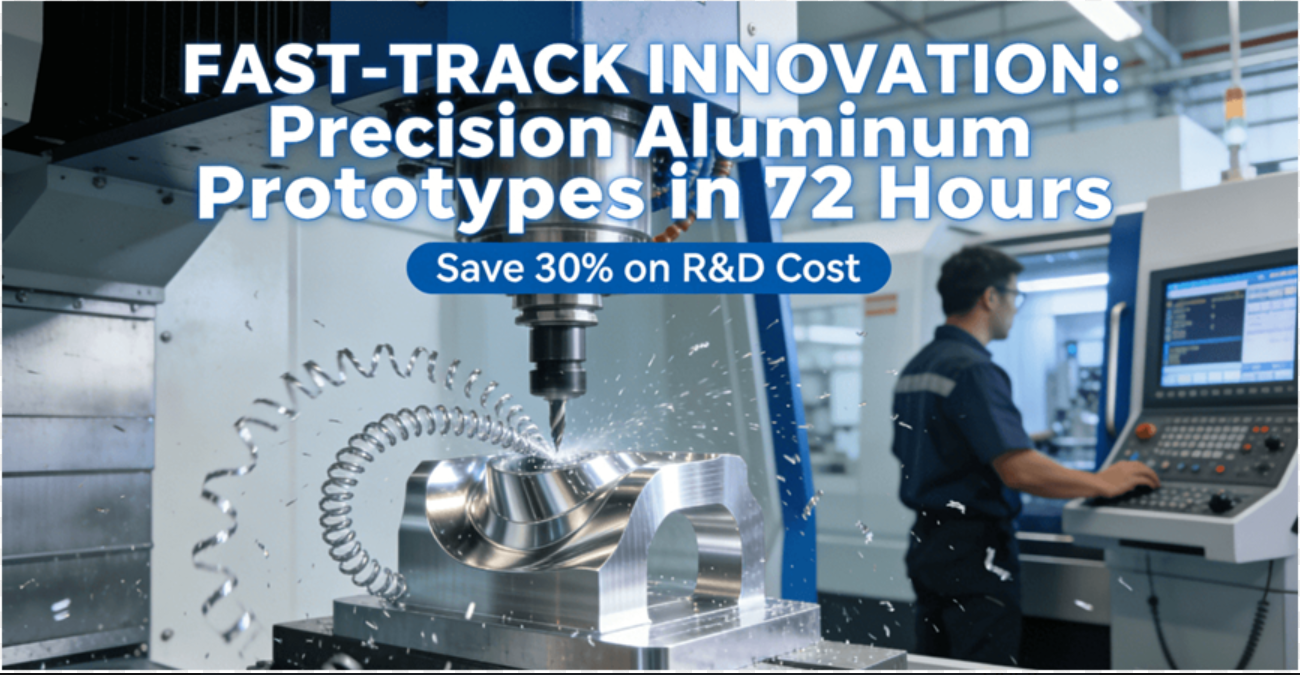
How can aluminum prototyping save SMEs 30% on R&D costs and shorten delivery cycles by 72 hours
Introduction
A prolonged product development process and the expensive nature of creating prototypes are some of the key problems that are affecting small and medium-sized manufacturing companies on a widespread level. In some cases, a significant amount of budget and time is spent on the validation process of the prototypes, leading to a prolonged product development process. The main reason behind this is the traditional prototyping process, which is unable to keep costs under control, lacks accuracy in the testing process, and is unable to provide specialized technical support and standardization in the process. This has led to a situation where the prototypes are unable to provide a clear prediction of the performance of the final product.
This article is a detailed analysis of the best practices in aluminium prototypes manufacturing, and in the next section, we will discuss the key factors that are responsible for the successful completion of the aluminium prototype manufacturing process from five different dimensions.
Why is Aluminum the Preferred Material for Rapid Prototyping?
In the field of rapid prototyping, aluminum is the most sought-after material for functional verification and pre-production testing owing to the outstanding properties it offers. The most prominent advantage of aluminum is that it offers an outstanding strength-to-weight ratio.In fact, aluminum can be easily machined using computer, controlled machines, which help to drastically cut down the machining time.
Aluminium products prototypes possess an exceptional advantage when compared to plastic product prototypes, by virtue of the high mechanical strength, thermal conductivity, and dimensional stability that aluminum provides. When compared with plastic product prototypes, aluminum product prototypes have properties that are way ahead. While steel product prototypes feature high strength, the aluminum CNC machining process is significantly more productive. Moreover, aluminum product prototypes feature high thermal conductivity, which renders them a perfect material for imitating heat sinks’ performance.
Meeting international standards such as EN 1090, which outlines the technical requirements for fabricating aluminum structures, thus underlines the importance of standardization. Efficient aluminum process, based prototypes that follow the international standards can significantly reduce the technical risks.
What are the Core Technical Tools for CNC Aluminum Prototyping?
The precision and efficiency of CNC aluminium prototyping can be guaranteed through a range of specific technical tools. In terms of tooling in the cutting field, aluminum tooling is a key aspect. High torque tooling in the form of a solid carbide end mill is suitable for an efficient roughing process and pocketing. Similarly, a precision ball nose end mill is suitable for a range of intricate 3D contours and surface finishing. Finally, a full length reach tool is suitable for an excellent wall finish and pocketing. The use of these tools is a key aspect in terms of quality.
In terms of quality assurance, precision metrology tools are essential. Coordinate measuring machines are used for a complete dimensional inspection process. Similarly, surface roughness testers are used for a quantitative evaluation of microscopic finish quality. Technological advancements in high-speed CNC machine tools have increased the overall efficiency of CNC machining rapid prototyping tools by over 20%. However, a range of tools is needed for a specific process. Similarly, a quality management system certification in terms of IATF 16949 for automotive and ISO 9001 is essential for integrating a range of tools and technologies for a reliable production process.
How to Reduce Aluminum Prototype Manufacturing Costs through Design Optimization?
Strategic design is the most powerful driver for cost control within the aluminum process. The implementation of Design for Manufacturability (DFM) can decrease machining costs by 15% on average.
Adhering to Foundational DFM Principles
Machining constraints should be taken into account during design to minimize unnecessary spending. This includes, but is not limited to, maintaining constant, minimal wall thickness for material conservation, regulating hole depth-to-diameter ratios for the avoidance of expensive tools, and standardizing internal and external corners for conformity with standard tool sizes.
Structural Optimization for Reduced Machining Complexity
Reducing design complexity can be achieved, which will subsequently reduce machining difficulty. The use of symmetrical design can reduce programming and machining times. The implementation of a unified datum on the part can reduce, if not completely eliminate, the necessity for custom fixturing.
Enhancing Features and Leveraging Expert Analysis
Reinforcing Thin-Wall Features
For essential thin walls, the inclusion of properly planned ribs or gussets can provide the strength while reducing weight and the likelihood of distortion during the machining operation.
The Value of Professional DFM Analysis
The single most cost-effective solution is using the services of a professional DFM analysis firm. A team of seasoned manufacturing engineers will examine the design with the goal of suggesting changes that can improve the design, such as moving features for rigidity or allowing for more slack in the tolerances. For more information on design best practices, this in-depth resource on aluminum prototypes design is recommended. Additionally, design requirements could potentially be more cost-effective with post-processing techniques such as aluminium plating.
How Do Aluminum Surface Finishes Enhance Prototype Function and Aesthetics?
The finishing of the surface is an essential process for adding value to aluminum prototypes. This process greatly enhances the functionality and looks of the aluminum prototype. Most aluminium plating techniques, including the environmentally safe electroplating technique, involve the plating of an aluminum substrate with a different metal, such as nickel or chrome. This greatly enhances the surface hardness, wear, and corrosion resistance of the aluminum prototype, as well as giving it a metallic luster, which is desirable for consumer parts that need to look good and last long .
Anodizing is another surface finishing technique that is commonly employed, in which a porous oxide film is formed on the surface of the aluminum component by electrolysis. The porous film can be colored and is ideal in improving the appearance, and the pores enable oils to be retained, improving wear resistance. Chemical polishing and bead blasting are generally employed for improving the surface texture, and the selection of a surface finishing technique should suit the intended environment in which the finished product is to be used. For example, components to be used outdoors should be chosen for weather resistance, and components subjected to friction should be chosen for the extreme hardness provided by the plating process. The use of finishes that comply with international environmental regulations, such as ISO 14001, is a prerequisite for sustainable aluminium products.
How Does a Standardized Manufacturing Process Ensure Prototype Quality Consistency?
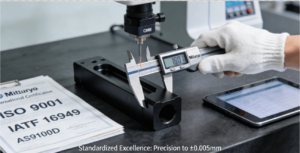
Within CNC machining rapid prototyping, a standardized process is the key that guarantees that all advanced technology and skill are harnessed to produce consistent and high-quality results across all stages.
Quality Frameworks Built on International Certifications
Consistency is achieved through systems and not individual processes. ISO 9001 is a standard of the quality management system which basically gives an outline on how you can handle the whole process from order to delivery.IATF 16949 is a quality management system specifically designed for the automotive sector but it requires even greater traceability and reliability.AS9100D is a quality management system for the aerospace sector but its requirements in terms of risk management and critical characteristics are very strict..
Strict Adherence to Key Technical Parameters
Within a standardized process, key technical parameters are implemented in a very specific manner. This includes maintaining machining tolerances as tight as ±0.005mm. It also includes determining the minimum achievable feature size for different machines, for instance, in terms of creating micro holes and ribs. Additionally, standardization is implemented in terms of parameters for threading machining.
Full-Process Traceability and Continuous Improvement
Ensuring Accountability and Transparency
Being standardized is further understood to mean that every prototype is thoroughly documented, such as material certifications, machining programs, inspection results, and operator logs. This traceability makes it possible to recognize any variation to fix it.
The Foundation for Perpetual Refinement
This documented, closed-loop system is the foundation for continuous improvement, enabling data-driven optimizations to the manufacturing process over time. To explore how a professional service ensures quality through such standardized workflows, consider metal rapid prototyping solutions from certified providers.
Conclusion
Aluminum prototype manufacturing offers businesses an efficient, economical, and reliable product development solution by leveraging material advantages, advanced machining technology, design optimization, innovative surface treatments, and standardized processes. From utilizing aluminum’s properties for high-fidelity testing to applying high-speed CNC and specialized tooling for efficiency; from employing DFM to cut costs by 15% on average, to using surface finishes for enhanced function and aesthetics; and finally, ensuring zero-deviation quality through internationally certified standardized systems—these combined best practices deliver tangible benefits, from 30% cost savings to rapid 72-hour delivery. They unequivocally demonstrate the impact of modern manufacturing techniques on commercial competitiveness.
When seeking a reliable partner for aluminum prototype manufacturing, it is advisable to select a manufacturer holding international certifications such as ISO 9001, IATF 16949, AS9100D, and ISO 14001. Providers like JS Precision, which embody these standards, can offer expert DFM analysis and precise quotations. Uploading design files to such a partner is the first step to accelerating the product development journey.
Author Bio
The author of the article is a manufacturing technology solutions expert with over a decade of experience in the precision manufacturing industry. The author has specialized in the research of aluminum prototyping technology and the optimization of standardized manufacturing processes, having provided technical consultation and manufacturing solutions to prominent companies in different industries.
FAQs
Q1: How low can the tolerance levels be in aluminum prototype manufacturing?
A: The tolerance level in aluminum prototype manufacturing can be significantly lowered by harnessing the power of modern technology in CNC machines, the tolerance level can be as low as 0.005mm.
Q2: To what extent is the aluminum prototype’s performance different from the final product?
A: The aluminum prototype is nearly identical to the final product in terms of performance, as the aluminum prototype possesses the same characteristics as the final product, such as the same level of strength, etc.
Q3: Which are the environmentally, friendly aluminum prototype treatments?
A: The ECO, friendly aluminum plating, also called chrome, free passivation, is the aluminum treatment that complies with the international environmental protection standards, as it is endowed with excellent corrosion resistance characteristics.
Q4: How cost, effectively can aluminum prototype manufacturing be done?
A:By optimizing the design of an aluminum prototype manufacturing, one can achieve cost, effectiveness in this process. Such optimization can bring a reduction in the cost of the aluminum prototype by 15 to 30%.
Q5: What is the role of international certifications in aluminum prototype manufacturing?
A:manufacturing processes are carried out in a standardized wayquality can be trackedindustry, specific requirements are fulfilledThese are extremely crucial when the industry, like automotive or aerospace, is highly regulated.

This guide explores Centro Politecnico Superior (CPS) as a leading hub for engineering and technical education. It covers its history, academic programs, modern facilities, hands-on learning, industry partnerships, admissions, and career-focused benefits for future engineers.
Centro Politecnico Superior (CPS) is a leading educational institution focused on engineering and technical education. As a cornerstone of academic excellence, it serves as a hub for engineers and tech enthusiasts seeking to master complex technological challenges. There are 4 main benefits of attending CPS, including access to state-of-the-art facilities, mentorship relationships with expert faculty, hands-on projects that bridge theory and practice, and strong industry partners ensuring high employability. The center is primarily used for advanced research, professional technical training, and fostering innovation in fields such as computer engineering and renewable energy. It comprises several key parts, such as modern classrooms, specialized engineering labs, computer science workshops, and a comprehensive library.
History and Background
Centro Politecnico Superior (CPS) has a rich history rooted in the need for specialized technical education. Established within an evolving industrial landscape, the institution emerged to provide the practical skills needed for a modern workforce.
Initially, the center focused on core engineering disciplines. It quickly adapted to changing technological trends by expanding its curriculum to include information technology and sustainable engineering solutions. Over several decades, CPS has transformed from a local training center into a prestigious higher polytechnic center. This growth was fueled by a commitment to academic excellence and the integration of real-world experience into the classroom.
Academic Programs and Degrees Offered
Centro Politecnico Superior (CPS) offers 12 primary degree programs across various technical fields. These programs are designed to develop technical professionals capable of thriving in a competitive global market.
-
Engineering Disciplines: Students can pursue degrees in mechanical, civil, and electrical engineering.
-
Information Technology: The curriculum includes specialized tracks in computer engineering and telecommunications.
-
Renewable Energy: This program focuses on sustainable engineering solutions and green technology.
-
Master’s Degrees: CPS provides advanced systems integration and robotics systems optimization at the graduate level.
The innovative curriculum balances theoretical study with practical technological mastery, ensuring graduates possess future-proofing skillsets.
Campus Facilities and Resources
The campus of Centro Politecnico Superior (CPS) features state-of-the-art facilities that support diverse academic pursuits. These resources create a collaborative environment where innovation thrives.
-
Modern Classrooms: These spaces utilize advanced digital prototyping tools and interactive displays.
-
Engineering Labs: There are 15 specialized laboratories, including those for precision engineering practices and cybersecurity threat mitigation.
-
Computer Science Workshops: These areas provide the infrastructure for data-driven innovation hub activities.
-
Library: This facility offers extensive digital resources and quiet areas for research and study.
Outdoor areas like the campus lawn provide space for group projects and relaxation, enhancing the overall educational journey.
Hands-on Learning Opportunities
Centro Politecnico Superior (CPS) prioritizes hands-on training through a variety of experiential learning methods. There are 3 main ways students gain practical experience:
-
Laboratory Exercises: Students apply classroom theory to real-world simulation training in specialized workshops.
-
Interdisciplinary Project Collaboration: Learners from different engineering disciplines work together to solve complex problem decomposition tasks.
-
Hands-on Projects: Faculty members guide students through the design and implementation of functional prototypes.
These opportunities transform students from passive learners into active technical professionals.
Partnerships and Collaborations with Industry Leaders
Centro Politecnico Superior (CPS) maintains strong ties with industry leaders to ensure the curriculum remains relevant to the evolving industrial landscape. These collaborations provide a bridge between the classroom and the professional world.
-
Internships: CPS partners with over 100 companies to provide students with real-world experience.
-
Research Initiatives: Industry partners often fund specific research in areas like biomedical engineering advances and quantum computing fundamentals.
-
Mentorship: Experts from top firms provide guidance to students, helping them develop resumes and networking skills.
These relationships ensure that CPS remains a data-driven innovation hub that meets current market demands.
Key Achievements
Centro Politecnico Superior (CPS) has earned a reputation for excellence through several notable accomplishments. These achievements highlight the institution’s impact on the CPS community and the broader technical field.
-
Academic Rankings: CPS consistently ranks among the top technical schools for engineering and technology.
-
Innovation Awards: The center has received multiple accolades for its work in renewable energy technologies and smart infrastructure development.
-
Research Output: Faculty and students contribute to significant breakthroughs in advanced materials research.
-
Competition Success: Student teams frequently win international competitions in robotics and ethical technology implementation.
Admission Process and Requirements In Centro Politecnico Superior
The admission process at Centro Politecnico Superior (CPS) is a structured procedure designed to identify motivated tech enthusiasts. To apply to CPS, candidates must follow 5 specific steps:
-
Submit Application: Complete the online form available on the official portal.
-
Provide Transcripts: Submit official records of previous academic excellence.
-
Entrance Exams: Pass specialized tests that measure technical proficiency and complex problem decomposition skills.
-
Interview: Participate in a discussion with faculty to evaluate interest in engineering careers.
-
Documentation: Provide identification and proof of eligibility.
Adhering to deadlines is necessary for a successful application.
Scholarships and Financial Aid Options In Centro Politecnico Superior
Centro Politecnico Superior (CPS) provides 4 types of financial support to ensure that technical education is accessible to a diverse student body.
-
Merit-Based Scholarships: These are awarded to students who demonstrate exceptional academic pursuits.
-
Need-Based Aid: This support helps students from low-income backgrounds cover tuition and fees.
-
Industry-Sponsored Grants: Partner companies provide funding for students specializing in fields like cybersecurity or sustainable energy.
-
International Mobility Grants: These funds support students participating in Erasmus (ERASMUS) or other exchange programs.
Detailed information regarding eligibility and deadlines is available through the CPS administrative office.
Why Choose Centro Politecnico Superior?
Choosing Centro Politecnico Superior (CPS) is a strategic step for anyone seeking technical excellence in a vibrant academic community. The institution provides the hands-on projects that prepare learners for the evolving industrial landscape. With expert faculty guiding every step, students gain the practical skills needed to solve modern technological challenges. CPS offers more than just a degree; it offers a collaborative environment and state-of-the-art facilities that turn real-world experience into a successful career. Whether you are interested in computer engineering or renewable energy, CPS provides the innovative curriculum and industry partners ensuring your future success.
-

 Entertainment1 month ago
هنتاوي.com Hub for Trending Arabic Content and Digital Stories
-
Others2 months ago
Insert Han Reference Here: The Veilside Fortune RX-7
-
Others2 months ago
Humble Celebrity: Ramon Bautista’s Lancer “Evo III”
-
Others2 months ago
Pure Rally Bred: Law’s Lancer Evolution VI Tommi Makinen Edition
-
Others1 month ago
Everyday Show Car: Henry’s Jaos Complete Edition Toyota FJ Cruiser
-
Others2 months ago
Seafoam Dreams: Julian’s OEM+ Nissan SilEighty
-

 Gaming1 month ago
Garforfans Ultimate Fan Hub for Gaming and Pop Culture
-

 Business1 month ago
PLG Supplies Trusted Industrial and Commercial Supply Partner