
Others
Mini63: The Street63 Diecast Collection

Let’s face facts: we love so many cars but can only get one or two of the real-life versions of them if we’re lucky. As car enthusiasts we are bound by various limitations that may not allow us to enjoy all of our dream cars – some of us being fortunate enough to experience owning one of them. Vehicles with history, pedigree, and outright astonishing credentials all appeal to us one way or another, and thankfully there is a way to at least feel like we’re owning a piece of history: through minature diecast models.
For years we’ve grown and played with diecasts as children; We’ve rolled, scratched, crashed and broken a few cars along the way until we’ve reached this point. As we grew up taking these toys for granted, somehow it’s all come full circle when even now as adults we still find ourselves buying models – except this time coming from a mature point of view. These days it’s all about appreciating these models from inside their boxes, opening them up only now and then to clean and pose for a few photos and then return them to their preserved state. This article is not for people who think we’re still children playing with toys; if anything this article is for scratching our itch for anything automotive amidst this quarantine – and finally our diecast models are here to save the day. Below we will document the collections of a few of our staff members and friends, join us as we take you through their specialties and choices for collecting diecast models.
There’s no surprise when I tell you that my collection revolves mainly around one vehicle: The Mazda RX-7. My love for the coke-bottle framed FD has been ingrained into my consciousness since the days of Initial D and Gran Turismo, and while it’s culminated into taking ownership of the real thing I still find myself needing to see an RX-7 in my immediate vicinity through my collection. Aside from the RX-7, I am mainly inclined towards Japanese tuning culture and thus have some other relevant vehicles from that genre. And in order to save space, I have tried to constrain myself by focusing on collecting only two specific lines of models: High-end 1:64 Tomicas (Premium, Event, TLVN), and 1:43 Ignition Models. Avid collectors will point out that both are fairly expensive lines to maintain, but both are equally rewarding in their own way.
For the most part the pride and joy of my collection are the (as of this date) complete Tomica Limited Vintage (TLVN) Rotary lineup. This includes all 8 releases of the Zenki/Chuuki RX-7 FD, 4 versions of the RX-7 FC, all five liveries of the Mazda 787B, and even the limited Tomica Shop Mazda Luce Patrol Car. Joining this collection are some rarer non-limited models like the Online Premium White RE Amemiya FD as well as the complete four-piece set of the Mazda Rotary History Sports Collection. Once Tomica comes out with the Kouki version of the TLVN FD, you know who’s ready to fork over his money.
Apart from the RX-7s I literally have a drawer’s worth of Tomicas stashed by my bedside. From there I have a fair selection of Premium, Tomica Shop, and Tomica Event models as well as limited run pieces from Tokyo Auto Salon 2017, 2018, and 2019.
I couldn’t resist having a few of my 1:64s customized to look identical to my 1:1s. That red MR2 is a special commission to copy the car of a departed friend. At least we can still shoot our cars together on a smaller scale.
Bumping up from 1:64s the other line I’ve been keen on collecting as of late are these 1:43 scale Ignition Models. Ignition Model, or IG Model for short, has been specializing on making models with aftermarket parts all the way down to the tiny details. The first model I’ve seen (and purchased) was the white Hakosuka Skyline GT-R back in 2013. At the time I was so fascinated by this model that had watanabe wheels and other key details, and ever since I’ve been following their releases and picking out what to get. Considering the cost of these models though I have one rule when buying these for my collection: I only buy them whenever I’m in Japan. They end up slightly cheaper there and always serve as mementos of my trips to the land of the rising sun.
These two are the prized pieces of my collection: the ‘Mame’ Keiichi Tsuchiya AE86 and the light blue RE Amemiya FD3S demo car built by Isami Amemiya – both signed by their respective real-life owners. The former I managed to find scouring the shops in Osaka, and the latter was signed by Ama-san during the 2019 Auto Salon.
With the scale of these 1:43 IG Models they make the perfect accent to my themed shelves around the room. Shelves like this Skyline GT-R portion are matched with their respective Ignition Models.
These days Hotwheels tends to be on point when it comes to making ‘car culture’-themed models, and somehow buying them one by one ended up with a part of my room being decorated with a fair number of them too. I’ve since stopped collecting them due to the limited amount of space, but the temptation can be irresistible sometimes.
My 1:18s are few and far between thanks to their large size, meaning the cars in my small collection all count for something. This RWB 993 was purchased in Osaka in 2016, then signed by Nakai-san during the RWB Noah build back in 2018.
My goal for collecting these models is to be able to express my automotive tastes while being constrained to the confines of what my current room can handle. While i’m sure more models will take my fancy down the line, there remains the question of where I will eventually put them.
Since I was a kid, my automotive taste has always been something along the lines of race cars, road homologated variants, and limited production units from brands such as Ferrari, McLaren and Porsche. That more or less sets the main theme that I go for with my model car collection. To put it simply, I just collect the things I like. Thankfully, the majority of my dream cars are re-created and sized down in 1/64 scale by the Japanese model car brand, Kyosho. With that being said, you can tell what my model car collection comprises of.
This was my first ever Kyosho 1/64 model, a Ferrari 458 Speciale A. When buying a brand new Ferrari model car from Kyosho, they’re often hidden in sealed boxes. Kyosho’s Ferrari model cars are divided into “Collections”. In each collection, there are a group of cars. The list of the cars in each collection are displayed behind each box but the box doesn’t state which specific car is inside. So I purchased my first Kyosho model without even knowing what it was.
Exotic car collections have always amazed me, especially those ones with over a hundred cars. There are many big collectors out there but my favorite car collector so far goes by the name “@mwvmnw” on instagram. With approximately 400 cars in his collection, it’s no surprise that he has some of the most impressive and unique cars in the world. One of my favorites is his McLaren F1 GTR Longtail Chassis #021R which he’s done some modifications on such as white rims, tyre writing and my favorite modification of all, a license plate! I thought to myself, I had to have this model in 1/64 scale. So here’s my take on it.
I started out with Kyosho’s 1/64 model of the McLaren F1 GTR Chassis number 26R. I then proceeded to erase some of the decals that weren’t present on 21R, I painted the rims white, added some decals and did some modifications to the wing, to make it as close to 21R as I could.
I’m still missing a few details such as the tyre writing and some aero modifications in the lower bumper. Those are still to come. In the meantime, this has become one of my favourite models in my 1/64 scale Kyosho collection.

If you were to have me pick out my favourite model from my collection, it would have to be the Maserati MC12. Kyosho definitely executed this model with exact precision down to the nanometer. And for a car in this scale, the details are sublime.
Norven’s Collection
This next collection comes from Norven Orbino, a good friend of the team who is much much deeper into the diecast rabbit hole. – Ed.
It all started when my father was collecting all kinds of diecast cars from different brands when I was young. I wasn’t allowed to touch his toys and I just always looked at it, which was beneficial for me because I learned how to value all of the toys that I got growing older. Watching and reading all of the Option magazines that my dad has really made me like Nissans (the Silvia platform to be exact).

What drew my attention to Silvias was this purple Nismo Zenki S14 that I saw lying around my Dad’s collection back when I was in high school. I was just fantasizing about owning a purple Silvia since that day. It was the toy that inspired me to build my S14 before, with the exact same color minus the livery and bodykits.
When the emerging trend of wide bodies and RWB Porsche came, I started researching and understanding the history of Porsche and made me start my line in collecting 1:64 911’s. While walking in a mall I saw a 1:12 RWB made by GT Spirit, the particular model was “Rotana” and is the dedicated track car of Nakai-san. I bought it and had a chance to meet Nakai and made him sign the replica of his car which was a very priceless moment for me.
I’ve really liked Tomicas since I was a kid. They have a diverse line of 1:64s from an old JTCC race car to a random Isuzu truck. I found my old sack of cars I threw a lot as a kid which includes a JGTC R34 and a R33 police car. And I also had a 787B I painted poorly with red spray paint.

My most valued Tomicas are the Gran Turismo Set and an old Tokyo Auto Salon set which I got from a guy for cheap.

Since selling my S14, I haven’t had the chance to work on 1:1 cars yet, which drew my attention to customizing 1:64s. Watching videos on how to unrivet the cars and seeing posts from groups on how to make their custom hot wheels made me want to do some of the cars that I have. Just doing simple wheel swaps is really fun for me and just doing simple modifications like lowering the car was a blast.

This custom was inspired by the Type X S13 of @camryonbronze.
This is my version of an Outlaw 964
So far these are the what we have from our humble diecast lineup. Would you like to see more articles like this in the future? Drop a comment on any of our pages on what you would like to see next!

Edivawer (EW) is an AI-powered data management and collaboration platform that integrates advanced analytics, automation, and user-friendly tools into a unified system. It enables organizations to streamline workflows, improve decision-making through predictive insights, and enhance team collaboration across industries like healthcare, retail, education, and digital content creation. With components such as data visualization, ETL processing, SQL-based management, and Python-driven modeling, Edivawer transforms complex data into actionable intelligence for both technical and non-technical users.
Edivawer (EW) is a transformative platform designed to streamline data management and enhance collaboration through AI-driven insights. It works by integrating advanced algorithms with user-friendly interfaces to automate project execution and provide real-time problem-solving capabilities.
There are 5 main benefits of Edivawer for modern organizations:
-
Boosting productivity by automating tedious manual tasks.
-
Enhancing creativity through shared digital workspaces.
-
Improving decision-making using predictive analytics and machine learning.
-
Streamlining communication across remote work environments.
-
Increasing data transparency via centralized data warehousing.
Edivawer (Software) consists of 4 primary components: a Data Visualization engine, an ETL (Extract, Transform, Load) framework, a SQL-based data management layer, and a Python-integrated statistical modeling module.
What Makes Edivawer Unique
Edivawer stands out in the tech landscape because it combines AI-driven insights with an ethical data-informed world approach. Unlike traditional Business Intelligence (BI) tools that require deep technical expertise, Edivawer features a user-friendly interface that allows users of all skill levels to engage with complex data mining and predictive analytics.
The platform is built on an Exponential Digital Intelligent World framework, which means it adapts to the user’s behavior. It utilizes Machine Learning (ML) to offer personalized recommendations, ensuring that every business leader or educator receives data-driven insights help tailored to their specific goals. This groundbreaking technology is reshaping how teams interact with information by making high-level data analysis accessible without a steep learning curve.
The Impact of Edivawer in Various Industries
Edivawer serves as a catalyst for change across 3 major sectors:
-
Healthcare: It transforms patient management by using data analysis to track outcomes. This allows staff to focus on care instead of paperwork.
-
Retail Sector: Retailers use Edivawer to analyze customer satisfaction and consumer behavior in real-time. This helps companies tailor their stock and promo deals to meet current demands.
-
Tech Startups: Organizations in the tech space use Edivawer (Platform) for project management and workplace dynamics. It helps teams maintain <b>exceptional dedication improves worth</b> by identifying bottlenecks in project execution.
Edivawer in Education and Skill Development
It is transforming the landscape of education and skill development by providing a transformative platform designed for learners and Educators. It offers 4 distinct advantages in the classroom:
-
Increases student engagement through interactive data visualization tools.
-
Develops critical thinking by allowing learners to practice statistical modeling.
-
Improves learning outcomes through AI-driven insights that identify where a student needs help.
-
Facilitates remote work environments for global collaboration between teams.
Educators use Edivawer to create an Ethical Data Informed World where student data is used responsibly to enhance dignity and influence wellbeing. By using Python and SQL (Structured Query Language) integrations, students gain hands-on experience with tools used in the professional retail and tech sectors.
How It is Revolutionizing the Blogging Landscape
EdivaWer is setting a new standard for content creators by streamlining the writing process. EdivaWer helps bloggers produce high-quality content by providing integrated SEO support and automated formatting.
The platform addresses common challenges like writer’s block by using AI-driven insights to suggest trending topics. This innovation meets opportunity, allowing a blogger to focus on their unique voice while the software handles data governance and keyword placement. By leveraging these tools, a tech startup or individual creator can ensure their content resonates with their target audience.
The Role of EdivaWer in Technology and Blogging
In the intersection of technology and blogging, EdivaWer acts as a bridge between complex data and creative output. It incorporates cutting-edge technology to streamline the backend of a blog.
-
Data Analysis: Monitors which posts perform best.
-
Machine Learning: Predicts future trends in the blogging landscape.
-
Social Media Platforms: Integrates with API tools for broader outreach.
This role is vital for modern organizations that want to enhance collaboration and creativity. By using EdivaWer, teams can ensure their communication is consistent and that every decision impacts widely across their digital footprint.
Real-World Applications of It in Blogging
There are 3 primary real-world applications of EdivaWer for bloggers:
-
Audience Segmentation: Using data mining to understand exactly who is reading the content.
-
SEO Optimization: Implementing SQL and keyword strategies to improve search engine rankings.
-
Collaborative Editing: Allowing multiple team members to work on a single project in real-time.
These applications allow for real-time problem-solving. If a post is not performing well, EdivaWer provides the analytics to pivot the strategy immediately. This ensures that the content remains a catalyst for change in its respective niche.
Benefits of EdivaWer for Bloggers and Content Creators
EdivaWer offers several key benefits that help bloggers unlock new potentials.
-
Saves Time: Automating the ETL process for data collection means more time for writing.
-
Improves Accuracy: Predictive analytics help in choosing topics that are guaranteed to gain traction.
-
Cost-Effective: Compare Edivawer pricing to hiring a full-scale data analysis team, and the value is clear.
By using EdivaWer, content creators can empower diverse aware vision and foster an environment where innovation meets opportunity. Whether you are looking for an edivawer brand review or looking to shop edivawer products, the platform provides a comprehensive suite for digital success.
Cavazaque is a multi-functional digital ecosystem that combines content creation, collaboration, and social interaction into a single platform. It enables users to build, share, and engage with content seamlessly while fostering real-time collaboration and community-driven growth. With integrated creative tools, analytics, and secure environments, Cavazaque simplifies workflows and strengthens the connection between creators and audiences, making it an ideal hub for modern digital expression.
The primary benefits of using this system include improved accessibility to creative tools and a direct line of communication between users. It eliminates the barriers that often separate content consumers from content creators. This creates a more transparent and engaging environment for everyone involved. People use it for various purposes, including digital art projects, collaborative storytelling, and large-scale community events. It functions as both a workspace and a social venue, allowing for a seamless transition between work and play.
Structurally, the platform consists of several core components. These include a robust content management interface, interactive social modules, and backend technology that supports high-speed data sharing. It also features specialized tools for customization, ensuring that every user can shape their experience to fit their specific needs. By focusing on these areas, the platform provides a comprehensive solution for modern digital life. It balances technical performance with ease of use, making it a reliable choice for anyone looking to expand their online presence. This approach ensures that the community remains at the heart of the innovation, driving the platform forward through constant feedback and shared growth.
Key Features of Cavazaque
The core of this platform lies in its diverse set of tools designed for the modern creator. One standout feature is the intuitive user interface. It avoids the clutter found on many other sites, allowing users to find what they need quickly. This design philosophy extends to the content creation tools themselves. Whether you are working on text, images, or multimedia, the editors are responsive and straightforward. They provide enough depth for professionals while remaining accessible to beginners who are just starting their journey.
Another significant feature is the real-time collaboration engine. This allows multiple users to work on the same project simultaneously. You can see changes as they happen, which reduces the need for constant back-and-forth messaging. This feature is particularly useful for teams spread across different time zones. It keeps everyone on the same page and speeds up the production cycle. The system also includes a version history, so you can revert to previous drafts if a new idea doesn’t work out as planned.
Privacy and security are also built into the foundation. Users have granular control over who sees their work and how they interact with it. You can set projects to private, share them with a select group, or publish them to the entire community. This flexibility is supported by strong encryption and data protection measures. Additionally, the platform offers integrated analytics. Creators can track how their content performs, seeing metrics like views, engagement rates, and growth trends. This data helps users make informed decisions about their future projects and community strategies. By combining these practical tools with a focus on user safety, the platform creates a stable environment for long-term growth and experimentation.
Benefits of Using Cavazaque
Using this platform offers several practical advantages for individuals and organizations alike. First, it centralizes your digital life. Instead of jumping between five different apps to create, post, and talk to people, you can do it all in one place. This saves a lot of time and reduces the mental load of managing multiple accounts. When everything is integrated, your workflow becomes more natural and less interrupted by technical hurdles.
The platform also helps in building a loyal audience. Because the social features are baked into the creation process, your followers feel more connected to what you do. They can see the progress of your work and offer feedback in real-time. This level of transparency builds trust and keeps people coming back. It turns a passive audience into an active community. For many creators, this direct engagement is more valuable than raw view counts on other sites. It leads to higher retention and more meaningful interactions over time.
Cost-efficiency is another major benefit. By providing a wide array of tools for free or at a low cost, the platform lowers the entry barrier for new creators. You don’t need expensive software or high-end hardware to get started. The cloud-based nature of the system means the heavy lifting is done on the server side, so you can work from almost any device with an internet connection. This democratization of technology allows more people to share their voices and ideas with the world. Furthermore, the networking opportunities within the platform can lead to partnerships and professional growth that might be harder to find elsewhere.
Who Can Benefit from Cavazaque?
This platform is built for a wide range of users, from hobbyists to professionals. Digital artists find it particularly useful because of the high-quality rendering and sharing capabilities. They can showcase their portfolios and get immediate critiques from peers. This helps them refine their skills and gain exposure in a crowded market. The social aspect also allows them to find clients or collaborators for larger projects without leaving the site.
Educators and students also see great value here. It can be used as a virtual classroom or a collaborative study space. Teachers can share resources, assign projects, and track student progress easily. Students can work together on group assignments in real-time, even if they aren’t in the same room. The platform’s organized structure makes it easy to keep track of different subjects and deadlines. It turns learning into a more interactive and social experience, which can lead to better engagement and retention of information.
Small business owners and community leaders use the platform to manage their online presence. It provides an affordable way to reach a local or global audience. They can host events, share updates, and interact with customers directly. The analytics tools allow them to see what their community likes and adjust their strategy accordingly. For anyone trying to build something from the ground up, the platform offers the necessary infrastructure to scale without the high overhead costs of traditional web development or marketing. Even casual users who just want a place to hang out and see cool things will find the community welcoming and the content diverse.
Technology Behind Cavazaque
The technical framework of the platform is designed for speed and reliability. It uses a distributed server architecture to ensure that the site stays up even during high traffic periods. This means that no matter where you are in the world, the platform loads quickly and responds to your inputs without lag. The backend is built on modern programming languages that prioritize security and scalability. This allows the developers to roll out new features and updates frequently without breaking existing functionality.
At the heart of the system is a sophisticated database management system. It handles vast amounts of user-generated content every day, from high-resolution images to complex project files. The system is optimized for quick retrieval, so you can find your old work or discover new content in seconds. There is also a strong focus on cross-platform compatibility. The code is written to work smoothly on desktops, tablets, and smartphones. This ensures a consistent experience across all your devices, allowing you to pick up exactly where you left off.
The platform also utilizes smart algorithms to help with content discovery. These aren’t the intrusive algorithms seen on other social sites; instead, they focus on matching users with content and communities they actually care about. It looks at your interests and past interactions to suggest relevant projects. This helps in maintaining a high-quality feed and reduces the amount of noise users have to filter through. The integration of these technologies creates a seamless, efficient environment that supports the needs of a growing global user base while keeping the user experience simple and direct.
Community and Social Interaction
Community is the lifeblood of this platform. It isn’t just a place to store files; it’s a place where people meet. The social features are designed to encourage positive and productive interactions. Users can join groups based on their interests, participate in forums, and attend live digital events. These spaces allow for deep discussions and the exchange of ideas. Unlike many social networks that prioritize viral content, this platform focuses on building long-term relationships between its members.
Moderation is a key part of the social experience. The platform uses a combination of automated tools and human moderators to keep the environment safe and respectful. There are clear community guidelines that everyone must follow. This proactive approach helps prevent harassment and spam, making it a better place for everyone to share their work. Users also have the ability to report issues or block individuals who are not contributing positively. This sense of safety encourages more people to participate and share their true creative selves.
The platform also rewards active community members. Those who contribute helpful feedback, share high-quality content, or help others often see their profiles highlighted. This creates a culture of mutual support. There are also features like “Community Challenges” where users work toward a common goal or compete in friendly contests. These activities help break the ice and bring people together from different backgrounds. By making social interaction a core part of the experience, the platform ensures that users don’t just feel like accounts in a database, but like valued members of a thriving digital society.
Enhancing Creativity on Cavazaque
Creativity thrives when the tools get out of the way, and that is exactly what happens here. The platform provides a “blank canvas” feel while still offering powerful features under the hood. It encourages experimentation by making it easy to try new things. If a project isn’t working, you can quickly pivot or start over without losing your progress. The ability to see what others are making also serves as a constant source of inspiration. You can learn new techniques just by observing the work of more experienced users.
The platform also offers various templates and starting points. If you are stuck with “writer’s block” or don’t know where to begin a design, these resources can help you get moving. They provide a structural foundation that you can then customize to make your own. This is especially helpful for people who are trying a new medium for the first time. It lowers the “fear of the blank page” and gets the creative juices flowing. As you become more comfortable, you can move away from templates and build everything from scratch.
Collaboration is another way the platform boosts creativity. Sometimes, two heads are better than one. By working with others, you can combine different skill sets to create something that neither of you could have done alone. An artist might team up with a writer, or a coder might work with a musician. The platform makes these connections easy to form and maintain. This cross-pollination of ideas leads to unique and innovative results. It pushes users to think outside their usual boundaries and explore new possibilities. By providing both the tools and the community, the platform acts as a catalyst for creative growth.
Advantages Over Other Platforms
When you compare this platform to other social or creative sites, several clear advantages emerge. Most platforms today are either purely social or purely functional. You go to one place to chat and another to work. This platform bridges that gap. It offers a “middle ground” that recognizes that creation and social interaction are often linked. You don’t have to choose between a powerful toolset and a vibrant community; you get both in a single package.
Another advantage is the lack of intrusive advertising. Many sites today are so cluttered with ads and sponsored content that it’s hard to focus on what you actually came for. This platform takes a different approach. It prioritizes the user experience and keeps the interface clean. This makes for a much more pleasant and productive environment. You aren’t being constantly sold to, which allows you to focus on your work and your connections. This respect for the user’s time and attention is a refreshing change in the current digital landscape.
The ownership model is also more user-friendly. On many sites, once you upload something, you lose a degree of control over it. Here, the focus is on empowering the creator. You retain clear ownership of your work, and the platform provides the tools to protect it. This transparency builds a higher level of trust. Additionally, the platform is more adaptable. It listens to user feedback and implements changes based on what the community actually wants, rather than what will drive the most ad clicks. This user-centric philosophy makes it a more sustainable and ethical choice for long-term digital engagement.
Future Potential of Cavazaque
The future looks bright for this ecosystem as it continues to evolve. One major area of growth is the integration of more advanced automation and assistance tools. These features will help users handle repetitive tasks more efficiently, leaving more time for the actual creative work. For example, smarter organization systems could automatically categorize your files or suggest relevant assets for your project. The goal isn’t to replace human creativity, but to support it by removing the tedious parts of the process.
There is also a move toward deeper immersion. As technology improves, the platform may incorporate more interactive and three-dimensional elements. This would allow for even more engaging community events and more complex collaborative projects. Imagine being able to walk through a digital gallery of your friend’s work or attend a live workshop in a virtual space. These developments will further blur the lines between the digital and physical worlds, providing even more ways for people to connect and create together.
Finally, the platform is looking to expand its reach to more diverse global communities. By adding more language support and localizing features, it can become a truly global hub for innovation. This will bring in new perspectives and ideas, making the community even richer and more varied. The focus will remain on staying accessible and user-friendly, even as the underlying technology becomes more sophisticated. By sticking to its core values of creativity, entertainment, and community, the platform is well-positioned to remain a leader in the digital space for years to come. It will continue to adapt to the changing needs of its users, providing a stable and inspiring home for everyone’s digital life.
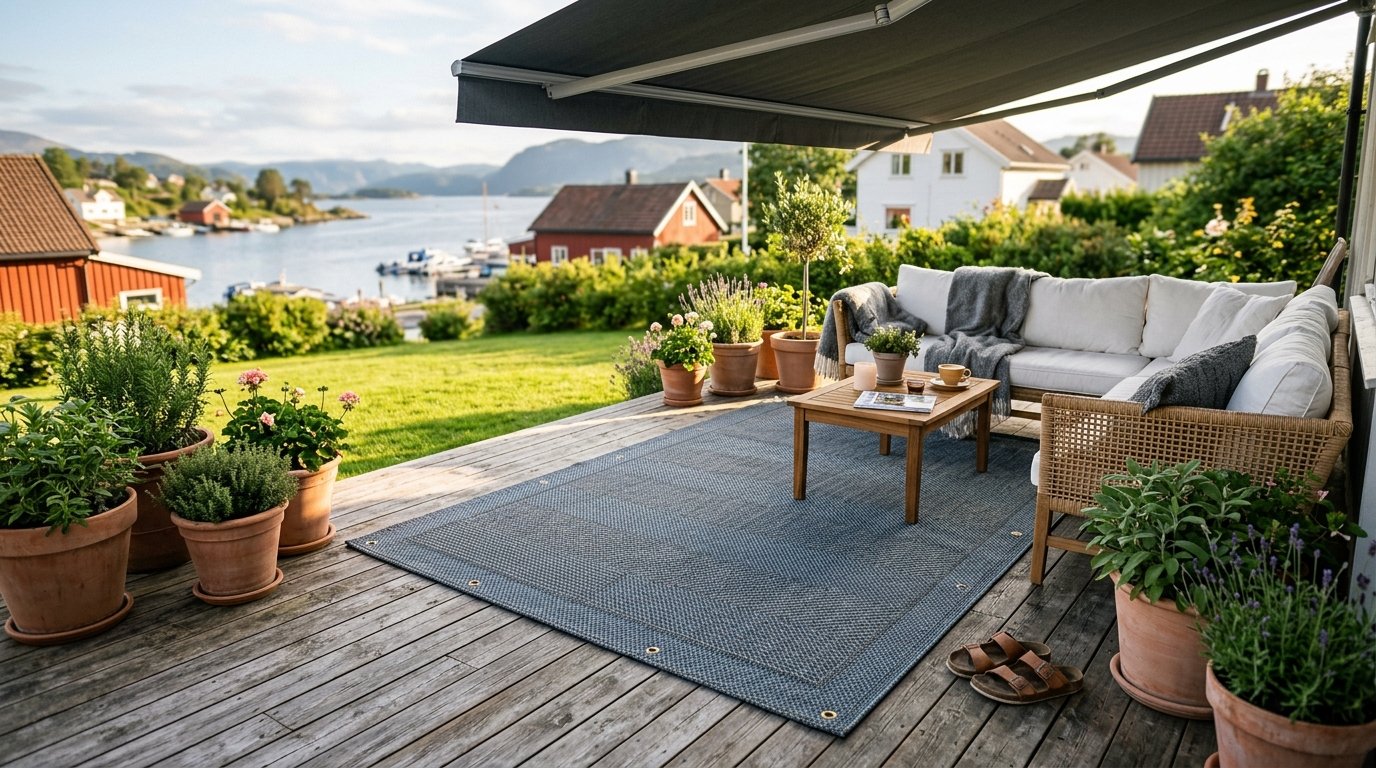
A Markiseteppe is a durable outdoor carpet designed for use under awnings, pergolas, balconies, or caravan awning tents. Made from weather-resistant materials such as acrylic, polypropylene, polyester, or PVC, it provides a breathable surface that protects feet from hot pavement while allowing moisture to pass through. Markisetepper improve outdoor comfort, protect patio surfaces, and help define outdoor living spaces like dining areas, poolside lounges, and camping setups. With reinforced edges and anchoring eyelets, these rugs are built to withstand outdoor conditions while keeping patios, terraces, and balconies cleaner and more comfortable.
A Markiseteppe (MT) is a resilient, weather-friendly carpet designed specifically for the ground under an awning, pergola, or balcony setup. It works by providing a breathable and comfortable surface that protects feet from hot pavement or cold concrete while allowing moisture and air to pass through to the ground below. Using a markiseteppe improves the comfort of an outdoor living space, protects surfaces from wear, and creates a clean, stylish environment for a summer barbecue or a quiet morning coffee. The main uses of these textiles include defining outdoor dining areas, enhancing poolside lounges, and keeping grit out of commercial terraces. A standard markiseteppe consists of three main components: high-performance fabrics like acrylic or polypropylene, reinforced edges or hems, and integrated eyelets for secure anchoring.
What is “Markiseteppe”?
A markiseteppe is a durable outdoor rug designed to be used under an awning (markise) or inside a caravan fortelt. The term combines the Norwegian words for “awning” and “carpet,” describing a specialized textile that balances aesthetic appeal with heavy-duty weather resistance. Unlike standard indoor rugs, these are engineered to handle dirt, debris, and moisture without trapping water or damaging the grass underneath.
Why Your Home Needs a Markiseteppe: Real Benefits Beyond Sun Protection
There are 3 main categories of benefits when adding a markiseteppe to your outdoor space, including economic, comfort-related, and aesthetic advantages.
Economic and Practical Advantages
Investing in a quality markiseteppe provides 3 significant financial benefits:
-
Energy Savings: A well-placed carpet under a window awning helps reduce indoor temperatures, which can decrease air conditioning usage by up to 25%.
-
Increased Property Value: High-quality outdoor living setups can increase a home’s market value by up to 28% because they appeal to 71% of home buyers.
-
Surface Protection: These rugs block up to 98% of UV rays, protecting outdoor furniture, cushions, and throws from fading and sun damage.
Year-Round Comfort and Adaptability
A markiseteppe is a versatile year-round asset for 2 primary reasons:
-
Summer Heat Reduction: Shaded areas with a carpet can be 15-20°C (27-36°F) cooler than unshaded surfaces, providing a cozy feel underfoot.
-
Transition Season Flexibility: Waterproof and UV-resistant options allow you to enjoy a balcony or patio during light spring rain or breezy autumn days.
Enhanced Aesthetics and Curb Appeal
A markiseteppe acts as an architectural statement that harmonizes your garden with your house. Modern designs with vibrant colors and patterns create an inviting atmosphere that makes guests feel welcome immediately.
Different Types of Markiseteppe
There are 6 main types of markiseteppe systems available for consumers:
-
Retractable Markiseteppe: These extend or retract to match the movement of a terrassemarkise, offering maximum flexibility.
-
Fixed Markiseteppe: These provide permanent protection and require minimal maintenance once installed.
-
Balkongmarkise (Balcony Awning) Rugs: These are lightweight and sized specifically for smaller residential spaces.
-
Vertical Screen Awnings: These act as fabric walls to provide privacy and vindbestandighet (wind resistance).
-
Freestanding Awnings: These use a separate frame and are perfect for open decks or poolside lounges.
-
Mobile Awnings: These are specialized, portable solutions like a Fiamma markiseteppe for an RV or camper.
Where People Actually Use It
People use markisetepper in 4 primary locations to enhance outdoor spaces:
-
Residential Patios: Homeowners create outdoor dining areas that feel like extensions of the living room.
-
Camping Sites: Campers place them in the fortelt (awning tent) to stop mud and grass from entering the caravan.
-
Commercial Terraces: A café or restaurant uses them to create a comfortable, branded environment for diners.
-
Apartment Balconies: Residents use them to cover cold concrete or metal, making the space barefoot-friendly.
Choose the Right Markiseteppe
To choose the right markiseteppe, you must evaluate your specific space and how much traffic it receives daily.
How to decide on pattern and colors that age well
Decide on a color based on 2 environmental factors:
-
Sun Exposure: Medium-gray or sand colors stay cooler in direct sun than deep black and hide pollen better than white.
-
Maintenance: Muted stripes and geometric patterns hide stains and dirt better than solid light colors.
Best Places to Use Markiseteppe
The best places to use a markiseteppe are areas with high foot traffic where you want to minimize environmental impact from mud. Use a 2×3 meters rug for a small balcony and a 4×6 meters version for a large family deck.
Materials Used in Markiseteppe
There are 4 common materials used in the construction of these carpets:
-
Acrylic (Akrylduk): Best for UV resistance and long lifespans (10-15 years), though it has a higher initial cost.
-
Polyester (Polyesterduk): A lightweight and affordable choice that is very easy to clean.
-
PVC: Completely waterproof and ideal for high-wind regions, though it is less breathable for the grass.
-
Polypropylene: The standard for camping due to its weather resistance and fast-drying nature.
Cleaning, Care & Storage That Actually Works
To maintain and care for your markiseteppe, follow these 3 steps:
-
Remove Debris: Shake or sweep the rug weekly to prevent dirt from embedding in the fibers.
-
Spot Clean: Use mild soap and water to treat stains immediately. Avoid harsh chemicals that damage the impregnering (waterproofing).
-
Dry Fully: Let the rug dry completely before rolling it up to prevent mold and mildew growth.
-

 Entertainment2 months ago
هنتاوي.com Hub for Trending Arabic Content and Digital Stories
-
Others2 months ago
Insert Han Reference Here: The Veilside Fortune RX-7
-
Others2 months ago
Humble Celebrity: Ramon Bautista’s Lancer “Evo III”
-
Others2 months ago
Pure Rally Bred: Law’s Lancer Evolution VI Tommi Makinen Edition
-
Others2 months ago
Everyday Show Car: Henry’s Jaos Complete Edition Toyota FJ Cruiser
-

 Technology1 month ago
Eporer Revolutionize Industries with Innovation and Efficiency
-

 Business1 month ago
Charfen.co.uk Smart Business Growth and Leadership Solutions
-

 Business2 months ago
PLG Supplies Trusted Industrial and Commercial Supply Partner