
Health
Small Plan, Big Exposure: Why Mid-Market Health Plans Need Different Vendor Criteria


Different Scale, Different Risks
Most risk adjustment vendor evaluation frameworks are designed for large national health plans with millions of members, dedicated compliance teams, and the procurement leverage to negotiate custom contract terms. Mid-market plans, those with 50,000 to 500,000 members, operate in a different reality. Their compliance teams are smaller. Their budgets are tighter. Their procurement leverage is limited. And their RADV exposure, per member, is exactly the same.
CMS doesn’t audit based on plan size. Every MA contract faces annual RADV review regardless of membership count. A plan with 75,000 members receives the same audit notification, faces the same five-month response window, and bears the same documentation burden as a plan with 2 million members. The absolute dollar exposure may be smaller, but the operational burden relative to the organization’s capacity is larger. Mid-market plans have fewer people to do the same work.
Where Mid-Market Plans Face Unique Vendor Risks
Large plans can absorb vendor underperformance. They have internal coding teams that supplement vendor output, compliance staff who independently audit vendor quality, and the financial reserves to manage a poor audit outcome while remediating the underlying problems. Mid-market plans often depend entirely on their vendor for coding output quality. If the vendor underperforms, the plan has no internal backup and limited resources for remediation.
This dependency means vendor methodology quality matters more for mid-market plans than for large ones. A large plan with a marginal vendor can compensate internally. A mid-market plan with a marginal vendor absorbs the full impact of that vendor’s output quality in its audit results.
Mid-market plans also face a volume-pricing trap. Vendors optimize pricing and service for their largest clients. Mid-market plans receive less implementation support, less customization, and less ongoing attention because their contract value is lower. The vendor’s best coders, most experienced implementation staff, and most responsive support teams serve the accounts that generate the most revenue. Mid-market plans get what’s left.
The Evaluation Criteria That Protect Smaller Plans
Mid-market plans should weight three criteria higher than large plans do. First, evidence trail completeness at delivery: can the vendor’s output be used directly for RADV response without rework? Plans without large internal teams can’t afford to reprocess vendor deliverables for audit readiness. The output must be audit-ready as delivered.
Second, deletion rate and two-way methodology: mid-market plans have less margin for accumulated unsupported codes because they have less capacity to remediate before audits arrive. A vendor that cleans submissions through two-way review reduces the plan’s audit exposure without requiring internal resources the plan doesn’t have.
Third, dedicated account management: mid-market plans should contractually require named account managers with defined response time SLAs rather than accepting shared support pools where their tickets compete with larger clients’ priorities.
Vendor Selection as Risk Management
For mid-market plans, risk adjustment vendors selection isn’t a procurement exercise. It’s a risk management decision with outsized impact relative to the organization’s size. The vendor’s methodology quality becomes the plan’s coding quality because there’s no internal layer to compensate. Plans at this scale that apply the right evaluation criteria, prioritizing evidence completeness, two-way methodology, and dedicated support, select partners whose output protects an organization with limited resources from audit exposure it can’t absorb.
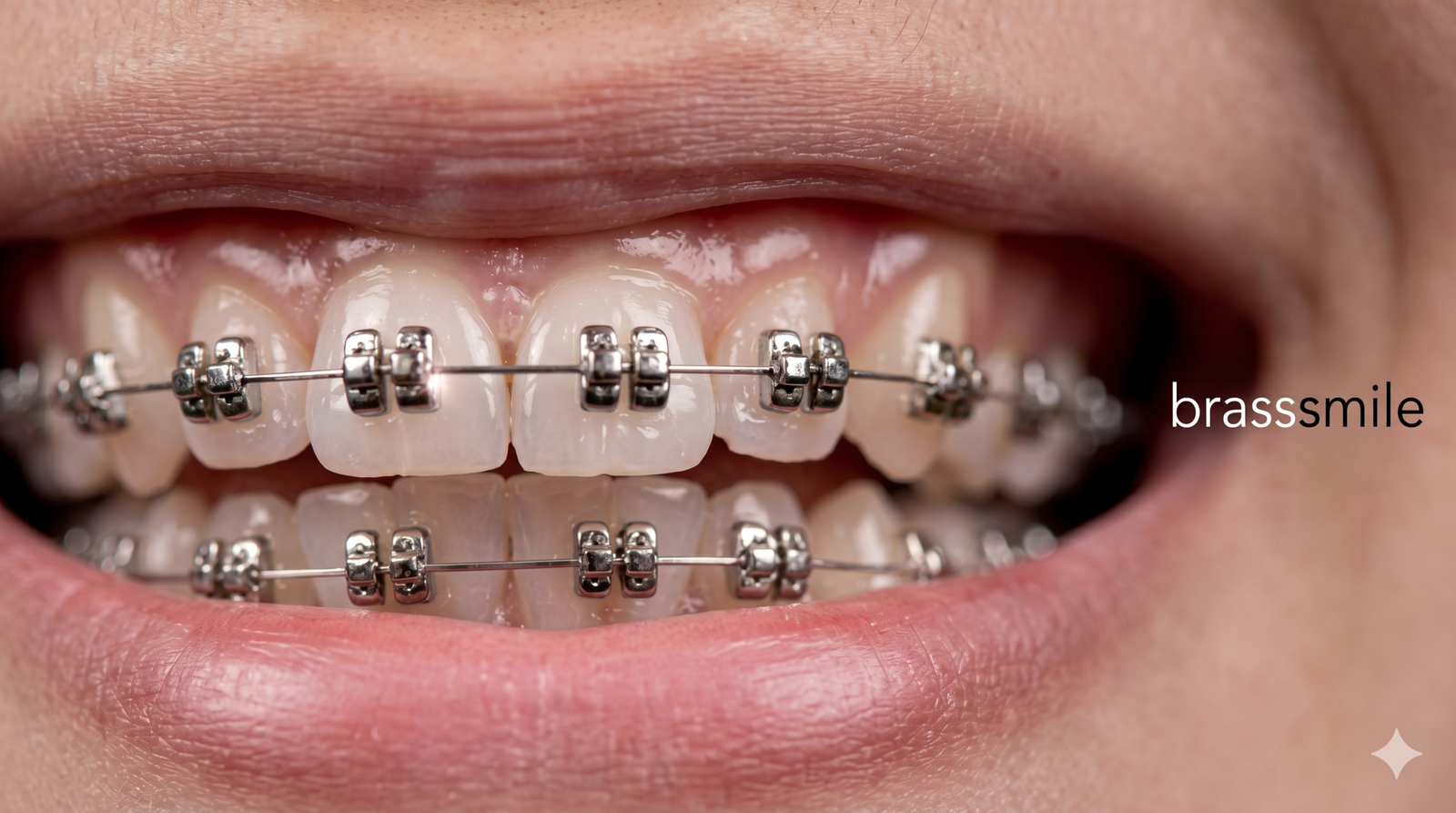
When you think about personal confidence, your smile probably ranks near the top of the list. Therefore, finding ways to improve your smile can completely change how you interact with the world around you. For many decades, traditional metal orthodontics have provided a reliable way to straighten misaligned teeth and correct bad bites. Consequently, people often use the playful nickname brasssmile to describe the classic look of traditional metal braces shining brightly in a happy mouth. Although modern dentistry offers several clear or invisible alignment options, standard metal brackets remain the most popular, durable, and successful treatment method for orthodontic patients worldwide.
This comprehensive guide will explore how these traditional devices function, why they remain incredibly effective, and how you can care for your teeth while wearing them. Furthermore, we will discuss how a positive attitude can turn a standard orthodontic treatment journey into a wonderful experience that changes your life forever. The journey toward straight teeth always begins with a clear understanding of the technology involved. Orthodontists use brackets, archwires, and tiny elastic bands to guide your teeth into their proper positions over time.
Specifically, the orthodontist glues the small square brackets directly onto the front surface of each tooth. Next, they thread a thin metal wire, known as an archwire, through these brackets. Because this wire naturally wants to return to its original straight shape, it applies a constant, gentle pressure to your teeth. Consequently, your teeth slowly shift into alignment. For this reason, the classic appearance of a brasssmile represents a highly engineered, sophisticated biomechanical process. Every small adjustment during your monthly orthodontic visits helps to guide your teeth closer to perfection. Furthermore, this steady movement safely remodels the bone surrounding your tooth roots, which ensures that your new smile stays strong and healthy for the rest of your life.
You Might Also Like: Fonendi
The History and Evolution of Orthodontic Braces
Historically, human beings have always desired straight, healthy teeth. For instance, archeologists have discovered ancient Egyptian mummies with crude metal bands wrapped around their teeth to prevent shifting. However, modern orthodontics really began to take shape during the eighteenth and nineteenth centuries. Initially, early dentists used heavy materials like gold, silver, and platinum to create dental appliances. Because these precious metals were extremely soft, they required frequent adjustments and cost a fortune. Eventually, stainless steel became the standard material for orthodontic treatment during the mid-twentieth century.
As a result, braces became much more affordable, durable, and accessible to the general public. This technological breakthrough allowed millions of teenagers and adults to proudly display a brasssmile during their treatment years. Over the decades, manufacturers have steadily reduced the size of these metal brackets, making them far more comfortable than ever before. Today, modern brackets feature low-profile designs that minimize irritation to your cheeks and lips. In addition, advanced computer software now allows orthodontists to map out your entire treatment plan before the brackets even touch your teeth. Therefore, the traditional metal braces we see today are vastly superior to the bulky appliances that your parents or grandparents might have worn in the past.
How Metal Braces Compare to Modern Clear Alternatives
When patients discover they need orthodontic treatment, they frequently compare traditional metal brackets to clear plastic aligners. Undoubtedly, clear aligners offer a subtle look that many adults prefer. However, traditional metal brackets offer several distinct advantages that plastic aligners simply cannot match. First, metal braces remain permanently attached to your teeth throughout the entire treatment process. Because you cannot remove them, you never have to worry about losing your expensive appliances or forgetting to wear them.
On the other hand, clear aligners require strict self-discipline because you must wear them for at least twenty-two hours every single day. If you repeatedly forget to put your aligners back in after meals, your treatment will suffer severe delays. Second, a brasssmile can fix extremely complex dental issues that clear aligners cannot handle effectively. For example, if a tooth needs to be rotated significantly or pulled down from high up in the jawbone, traditional brackets provide the necessary leverage and physical strength to accomplish the task. Furthermore, traditional braces are generally more cost-effective than custom-made plastic trays. Therefore, families often choose metal brackets to achieve the best possible results without breaking their household budget.
The Psychological Impact of Wearing Braces
Choosing to get braces can spark a wide mix of emotions, especially for younger patients and teenagers. Initially, you might feel a bit self-conscious about how you look with metal brackets on your teeth. However, public perception of orthodontic treatment has shifted dramatically over the years. Today, wearing braces is widely seen as a positive status symbol because it shows that your family is investing in your health and your future. Consequently, many students proudly flash their brasssmile in school hallways and family photographs. To make the experience even more exciting, orthodontists allow you to customize your braces using colorful elastic bands.
For instance, you can choose your favorite school colors, holiday themes, or sports team colors during your monthly adjustment appointments. As a result, your braces become a fun form of self-expression rather than a medical burden. Moreover, as you begin to notice your teeth flattening out and aligning properly, your self-esteem will naturally soar. This steady boost in confidence helps you feel more comfortable during social interactions, public speaking events, and everyday conversations.
Essential Oral Hygiene Habits for Orthodontic Patients
Maintaining excellent oral hygiene becomes slightly more challenging once you get braces, but it remains absolutely vital for a successful outcome. Because brackets and wires create countless tiny spaces where food particles can easily hide, plaque can accumulate quickly if you become lazy. Therefore, you must brush your teeth thoroughly after every meal and snack. If you leave food trapped against your teeth, harmful bacteria will produce acids that damage your tooth enamel.
Consequently, you might develop permanent white spots, cavities, or swollen gums around your brackets. To clean your teeth effectively, you should use a soft-bristled toothbrush and hold it at a forty-five-degree angle against your gums. Additionally, a specialized tool called an interdental brush can help you clean out the tight spaces directly underneath the archwire. Flossing also requires extra effort during your orthodontic journey. Since you cannot pass standard floss straight down between your teeth, you must use a clever tool called a floss threader. Alternatively, a water flosser can blast away hidden debris using a targeted stream of pressurized water. By committing to these daily habits, you ensure that your brasssmile remains clean, healthy, and completely free from painful decay.
Dietary Guidelines to Protect Your Orthodontic Investment
Alongside rigorous cleaning habits, you must also modify your eating habits to protect your orthodontic appliances from damage. Because the adhesive that holds the brackets to your teeth must be safe to remove later, it cannot withstand extreme forces. For this reason, you should strictly avoid hard, crunchy, and sticky foods throughout your treatment. For example, sticky candies like caramel, taffy, and chewing gum can easily pull brackets away from your teeth or bend your wires.
Similarly, hard foods like popcorn, pretzels, and hard taco shells can break your appliances instantly if you bite down carelessly. Furthermore, you should change how you eat healthy foods like apples, carrots, and corn on the cob. Instead of biting into a whole apple with your front teeth, you should slice it into small, thin pieces first. In the same way, you should cut raw carrots into bite-sized pieces and slice corn off the cob before eating it. If a bracket breaks or a wire bends, your teeth will stop moving in the correct direction until the orthodontist repairs the damage. Therefore, following these simple dietary rules prevents unexpected emergency visits and keeps your treatment moving forward on schedule.
What to Expect During Your Orthodontic Appointments
Understanding what happens during your routine orthodontic visits can help reduce any anxiety you might feel about the process. Usually, you will visit your orthodontist every four to six weeks for regular adjustments. During these quick appointments, the assistant will first remove your old, stretched-out colored elastic bands. Next, the orthodontist will carefully examine your progress to see how your teeth are responding to the pressure. If necessary, they will remove the existing archwire and replace it with a slightly thicker or differently shaped wire.
This step is crucial because your teeth need progressively stronger wires to continue moving into their final locations. After the orthodontist inserts the new wire, you get to choose fresh colored bands to secure it in place. Consequently, your brasssmile receives a completely new look every single month. You might feel some mild soreness or pressure for a couple of days after an adjustment, but this discomfort passes quickly. To manage this temporary soreness, you can eat soft foods like yogurt, mashed potatoes, and smoothies, or use over-the-counter pain relievers if your parents approve.
Anatomy of Traditional Orthodontic Components
To fully appreciate your orthodontic treatment, you should learn about the different components that work inside your mouth. Each part has a specific job to perform, and they must all work together perfectly. First, the brackets are the small metal squares attached directly to your teeth. These brackets act as handles that allow the orthodontist to grasp and control each individual tooth. Second, the archwire is the long metal wire that connects all the brackets together. This archwire acts as the track that guides your teeth into the correct position. Third, the elastic ties or bands are the tiny rubber rings that hold the archwire inside the brackets.
These bands come in many vibrant colors, allowing you to personalize your appearance. Fourth, orthodontic bands are larger metal rings that the orthodontist cements around your back molars. These bands provide an incredibly strong anchor for the rest of your braces. Fifth, buccal tubes are small metal tubes attached to the molar bands that hold the ends of the archwire securely in place. Sixth, springs are sometimes placed between brackets to push teeth apart or pull them closer together. Finally, elastics or rubber bands connect your upper and lower teeth to fix your bite alignment. Therefore, every single piece of your brasssmile plays an essential role in your treatment progress.
Science of Tooth Movement and Bone Remodeling
Many people wonder how solid teeth can move through hard jawbone without causing permanent damage. The answer lies in a fascinating biological process called bone remodeling. When braces apply a constant, gentle force to a tooth, it creates a pressure side and a tension side inside your gums. On the pressure side, the tooth compresses the tiny blood vessels and tissues surrounding the root. Consequently, your body sends specialized cells called osteoclasts to break down a small amount of bone tissue in that specific spot.
This breakdown creates space for the tooth to slide into its new position. Meanwhile, on the opposite side of the tooth, the tissues experience tension or stretching. For this reason, your body sends another type of cell called osteoblasts to build brand new bone tissue in the space left behind. Because this process happens very slowly, your teeth remain safe and stable throughout their journey. Therefore, your brasssmile is not just a cosmetic tool; it is a catalyst for an amazing biological transformation happening inside your mouth every single day.
You Might Also Like: Candizi
Critical Role of Retainers After Braces Are Removed
Finally, the magical day arrives when your orthodontist removes your brackets and reveals your beautiful, straight teeth. However, the completion of your braces journey does not mean your orthodontic treatment is fully over. In fact, the next phase, known as retention, is just as important as the phase you just finished. Because your teeth naturally remember their old positions, they will immediately try to shift back out of alignment if you do not stop them. Therefore, your orthodontist will create a custom retainer that fits perfectly over your newly straightened teeth. Initially, you will need to wear this retainer all day and all night, except when you are eating or brushing your teeth.
Eventually, after the bone around your teeth has fully stabilized, your orthodontist will allow you to wear it only while you sleep. If you neglect to wear your retainer as directed, your teeth will slowly drift out of place, and all your hard work will be completely wasted. For this reason, looking back at photos of your old brasssmile will remind you of the hard work you invested, inspiring you to protect your stunning results forever.
Conclusion: Embracing the Process for Long-Term Success
In conclusion, achieving a perfect smile requires time, patience, and a lot of dedication, but the final reward is absolutely worth the effort. Traditional metal braces offer a time-tested, reliable, and powerful solution for anyone looking to fix dental misalignments and build unstoppable confidence. Although the physical appearance of a brasssmile might take some time to get used to, it represents an exciting period of growth and positive transformation. By maintaining excellent oral hygiene habits, following dietary guidelines carefully, and wearing your retainers faithfully, you guarantee a lifetime of healthy smiles. Ultimately, the temporary sacrifices you make today will pay massive dividends in the future, allowing you to walk out into the world with a beaming, beautiful smile that lights up every room you enter.

Fonendi is an advanced digital auscultation system that transforms traditional stethoscopes into intelligent diagnostic tools. By combining high-sensitivity acoustic sensors, digital amplification, and AI-driven signal processing, it enables clinicians to capture, analyze, and share internal body sounds with greater precision. Fonendi improves diagnostic accuracy, supports telemedicine, and enhances medical education through data recording and collaboration. Beyond healthcare, it also functions as a secure digital communication platform, making it a versatile solution for both clinical and professional environments.
Fonendi represents a new generation of digital auscultation technology designed to modernize the practice of listening to internal body sounds. By integrating advanced acoustic sensors (AS), digital amplification, and intelligent signal processing, Fonendi provides clearer and more measurable diagnostic insights than traditional tools. This smart stethoscope ecosystem enhances the accuracy of sound detection while enabling the storage, analysis, and sharing of auscultation data. Beyond clinical medicine, Fonendi serves as a secure digital communication platform and a human-centered design philosophy that prioritizes usability and emotional well-being. The main components of a Fonendi device include a high-precision chest piece, dual-lumen tubing, and electronic noise reduction algorithms.
What is Fonendi?
It is a sophisticated diagnostic tool and digital platform used to capture, amplify, and analyze internal body sounds or professional communications. In a medical context, the term originates from “phonendoscope,” a device used for auscultation—the act of listening to the heart, lungs, and gastrointestinal system.
In the modern technology landscape, Fonendi refers to two distinct entities:
-
Medical Technology: A digital or smart stethoscope that converts acoustic vibrations into electronic signals for precision medicine.
-
Digital Communication: A secure platform designed for encrypted messaging, high-definition voice calls, and streamlined workflow integration.
History and Evolution of Fonendi
The history of Fonendi began in the 19th century with the invention of the first acoustic stethoscopes. These early tools provided basic sound amplification but lacked clarity and were often uncomfortable for the clinician. Over the decades, the phonendoscope evolved into the modern Fonendi by incorporating:
-
Tunable Diaphragms: Allowing physicians to hear different frequencies by varying pressure.
-
Dual-Lumen Tubing: Reducing friction noise to preserve acoustic integrity.
-
Digital Transformation: Integrating Bluetooth connectivity and AI-driven data analytics for remote healthcare.
Parallel to its medical growth, the Fonendi philosophy emerged from design thinking in the late 20th century. This approach shifted the focus toward creating technology that balances technical power with human comfort.
Why Fonendi Matters
It matters because it converts subjective listening into measurable clinical data, improving patient outcomes and professional efficiency. In clinical medicine, environmental noise and hearing differences among clinicians often lead to inconsistent diagnoses. Fonendi addresses these gaps through digital sound processing and sound visualization.
There are 3 primary reasons why it is essential today:
-
Early Disease Detection: Sensitive microphones identify heart murmurs and valve abnormalities before symptoms become severe.
-
Remote Healthcare Support: Digital auscultation technology enables specialists to evaluate patients from a distance, which is vital for rural or underserved areas.
-
Enhanced Productivity: As a digital platform, it reduces email overload and secures sensitive data governance through end-to-end encryption.
Core Features and Benefits of Fonendi
The strength of it lies in its fusion of hardware engineering and advanced software. These systems provide a powerful diagnostic platform for modern clinicians.
Key Medical Features
-
Acoustic Sensors: High-sensitivity microphones detect faint internal sounds with greater clarity than analog diaphragms.
-
Digital Amplification: Electronic circuits increase sound intensity, making subtle respiratory abnormalities easier to identify.
-
Noise Reduction Algorithms: Software filters out background clinical noise, ensuring only relevant body sounds are captured.
-
Wireless Connectivity: Devices connect to the Fonendi mobile app for real-time data transfer and sound recording.
Professional Benefits
-
Improved Diagnostic Accuracy: Clinicians detect 15% more subtle anomalies compared to using conventional stethoscopes.
-
Collaborative Intelligence: Audio recordings can be shared instantly with cross-functional teams for second opinions.
-
Educational Value: Instructors build libraries of validated clinical data to help students develop auscultation skills.
Real-World Applications
It’s technology has gained rapid attention due to its versatility across several critical fields.
-
Cardiology: Physicians use it to detect irregular rhythms and cardiac disease signs.
-
Pulmonology: Enhanced detection of wheezing and crackles helps diagnose pneumonia and asthma.
-
Telemedicine: Patients use home monitoring programs to track lung health, reducing unnecessary hospital visits.
-
Enterprise Workflows: Businesses adopt the Fonendi platform for secure multimedia sharing and proactive risk mitigation in communications.
Challenges and Considerations
Despite its benefits, implementing it’s technology involves specific considerations.
-
Technical Training: Clinicians require proper training to interpret sound visualizations and digital waveforms effectively.
-
Upfront Cost: Advanced digital models involve a higher initial investment than traditional acoustic tools.
-
Data Security: Protecting recorded auscultation data requires ongoing vigilance against cybersecurity threats.
-
Power Requirements: Unlike analog tools, digital Fonendi devices require regular charging or battery replacement.
Future of Fonendi
The future of it is closely tied to the evolution of Artificial Intelligence (AI) and wearable sensors. Future systems will likely integrate:
-
Predictive Analytics: AI algorithms will analyze heart and lung sounds to identify disease risks before they manifest.
-
Automated Anomaly Detection: Software will automatically flag abnormal patterns, providing decision support for general practitioners.
-
Global Connectivity: Real-time translation and enhanced security will make Fonendi a standard for global remote consultations.
[Image showing AI analyzing a phonogram for cardiac anomalies]
FAQs
Q. What is Fonendi in healthcare?
A. It is a digital auscultation technology that enhances traditional stethoscopes with sensors and data analysis. It allows for clearer sound detection and digital recording of internal body functions.
Q. Does Fonendi require an internet connection?
A. No, a Fonendi device does not require an internet connection for basic auscultation. However, Wireless Connectivity is necessary to sync data to the cloud or use the Fonendi web application for remote consultation.
Q. Can I use Fonendi for heart murmurs?
A. Yes, Fonendi is highly effective for detecting heart murmurs. The Digital Amplification and noise-filtering features make it easier to identify valve abnormalities that analog tools might miss.
Q. Is Fonendi the same as a Fendi bag?
A. No, it is a medical and technical term unrelated to the fashion brand Fendi. While they share similar phonetics, Fonendi focuses on healthcare diagnostics and communication platforms.
Q. How long do Fonendi devices last?
A. A high-quality Fonendi device lasts between 5 and 10 years. Durability depends on the materials used, such as stainless steel chest pieces and latex-free tubing, and the maintenance of the electronic components.
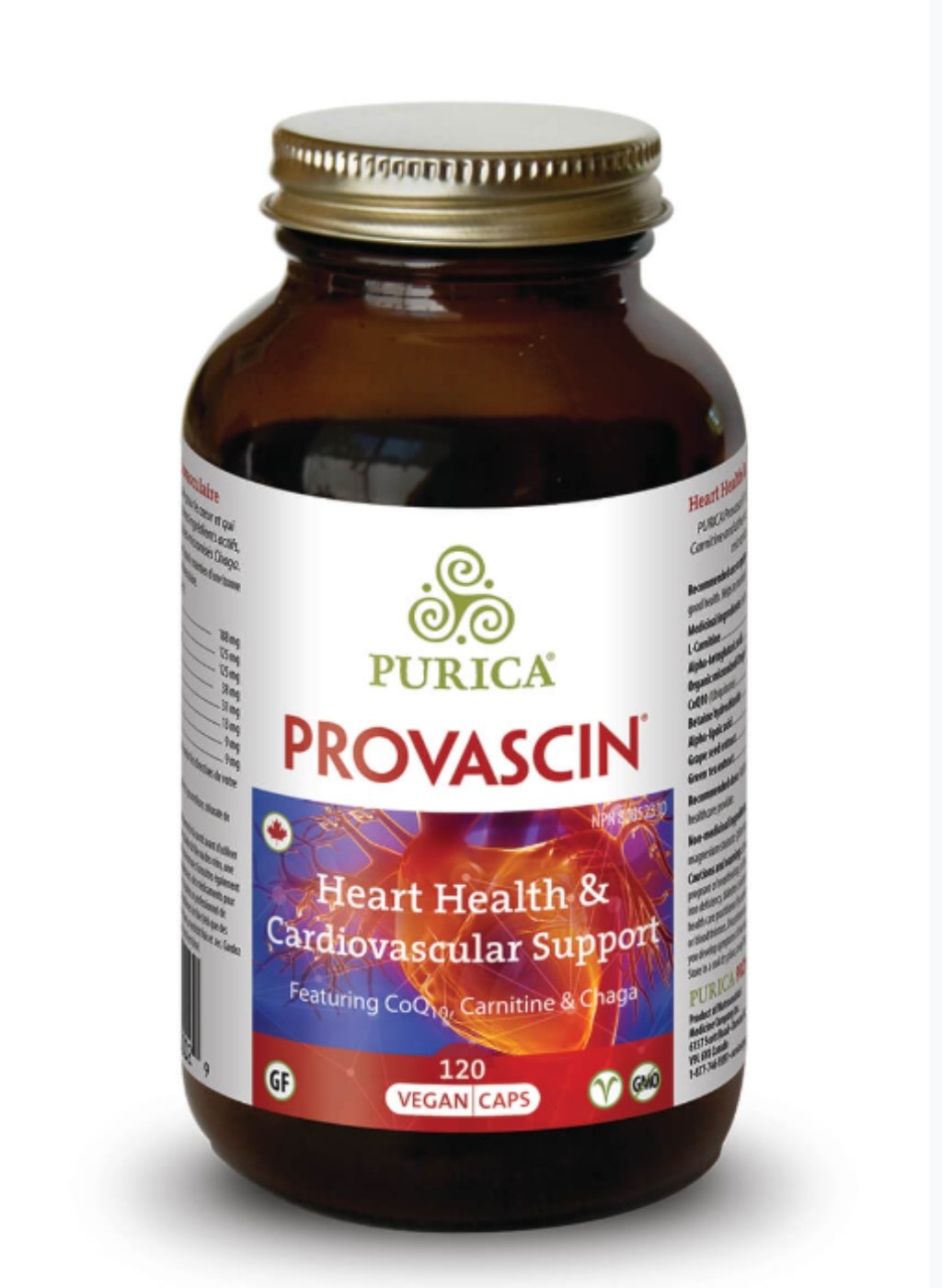
Provascin (PVN) is a heart-health supplement formulated to support circulation, cholesterol balance, and vascular integrity using natural compounds like CoQ10 and polyphenols. As a non-prescription product, it is not approved by the U.S. Food and Drug Administration and relies mainly on ingredient-based research. This guide covers its benefits, dosage, safety, alternatives, and how to evaluate its effectiveness. Provascin is available online through platforms such as Amazon and Walmart.
Provascin (PVN) is a cardiovascular health formulation designed to support blood vessel integrity and manage cholesterol levels. This supplement works by leveraging a blend of natural compounds, such as Grape Seed Extract and Coenzyme Q10 (CoQ10), to improve endothelial function and provide antioxidant protection against oxidative stress. Provascin offers 4 primary benefits: enhanced circulation, cholesterol support, reduced vascular damage, and improved cardiac energy metabolism. It is primarily used as a complementary tool for individuals looking to maintain healthy blood pressure and vitality. The main components of Provascin include polyphenols, L-Carnitine, Hawthorn extract, and essential micronutrients like Magnesium and Potassium.
What Is Provascin?
Provascin is a dietary supplement formulated to promote cardiovascular wellness and optimal blood flow. It exists in the wellness space as a non-prescription option, meaning it is not an FDA-approved drug for treating specific diseases. Provascin functions by combining several bioactive ingredients that target different aspects of the circulatory system. For example, it utilizes HMG-CoA Reductase Inhibitors found in natural sources to assist in lipid management. While some users search for “provasmin” or “provas-n medicine,” these terms often refer to the same category of lipid-lowering agents and heart-health blends.
Benefits of Using Provascin
Provascin offers 4 key benefits for individuals prioritizing their heart health:
-
Enhanced Circulation: Ingredients like Hawthorn berry improve blood flow by supporting blood vessel integrity.
-
Cholesterol Support: The formula aims to maintain a healthy balance of LDL/HDL (Low-Density Lipoprotein/High-Density Lipoprotein).
-
Antioxidant Protection: Procyanidins and polyphenols combat oxidative stress, which reduces potential vascular damage.
-
Mitochondrial Function: Compounds like Coenzyme Q10 (CoQ10) boost cardiac energy metabolism and heart muscle performance.
Dosage Recommendations
Follow the specific dosage guidelines provided on the product label or by a healthcare professional. The typical starting dose for adults is 10 mg (0.01 g) per day. Depending on individual tolerance and health goals, a doctor may adjust this to a range of 10-40 mg (0.01-0.04 g) daily.
-
Consistency: Take the supplement at the same time each day to maintain steady levels in the system.
-
Food intake: Consume Provascin with food to optimize absorption and minimize digestive discomfort.
-
Pediatric use: Consult a pediatrician for specific children’s dosages, as these are calculated based on weight and age.
Evidence-Based Analysis: What Science Actually Says
Scientific validation for Provascin involves an ingredient-level research approach. There are 3 main areas where the science shows promise:
-
Polyphenols and Procyanidins: Laboratory studies confirm these have anti-inflammatory effects that support endothelial function.
-
CoQ10 Trials: Clinical trials indicate that CoQ10 improves cardiac output in patients with heart failure or statin-induced deficiencies.
-
L-Carnitine: Research suggests modest tangible biological benefits for ischemic heart disease.
Despite these findings, there is currently a lack of peer-reviewed clinical trials testing the Provascin full formula as a whole. Most claims rely on the synergistic compounds within the blend rather than a single comprehensive analysis of the finished product.
Safety and Potential Interactions
Provascin is generally safe for healthy adults, but it can interact with specific prescription medications. You must exercise caution if you are taking the following:
-
Blood Thinners: Ingredients like Ginkgo Biloba may increase the risk of bleeding.
-
Statins: Since Provascin contains similar lipid-lowering properties, combining them may lead to excessive levels.
-
Antihypertensives: The supplement may enhance the effects of blood pressure medication, causing levels to drop too low.
Potential Side Effects
There are 5 common side effects associated with Provascin use:
-
Digestive disturbances: Nausea, diarrhea, or stomach cramps.
-
Headaches: Temporary tension as the body adjusts to the formula.
-
Dizziness: Lightheadedness, especially when starting a new dose.
-
Muscle pain: Similar to traditional statin drugs, though less common in supplements.
-
Allergic reactions: Rare instances of skin rashes or itching.
Precautions for Taking Provascin
Take specific precautions before starting a Provascin regimen:
-
Medical History: Disclose any history of liver function issues or kidney disorders to your doctor.
-
Pregnancy and Nursing: Do not use Provascin during pregnancy or while nursing unless specifically directed by a healthcare provider.
-
Diabetes: Monitor blood sugar levels closely, as heart supplements can sometimes influence metabolic rates.
-
Surgery: Stop taking the supplement at least 2 weeks (14 days) before any scheduled surgical procedure to avoid circulation complications.
Alternatives to Provascin
There are 5 effective alternatives for managing cardiovascular health:
-
Omega-3 (Fish Oil): High-evidence support for reducing triglycerides and overall heart risk.
-
Red Yeast Rice: A natural source of monacolin K that supports LDL cholesterol reduction.
-
Plant Sterols: Effective for blocking cholesterol absorption in the intestines.
-
Pravastatin: A generic medication (statin) used for high-potency lipid management.
-
Lifestyle Interventions: Prioritize a balanced diet, regular exercise, and stress management as the foundation of heart care.
How to Evaluate Heart-Health Supplements Like Provascin
To evaluate a supplement like Provascin effectively, follow these 4 steps:
-
Check the ingredient sourcing: Look for high purity standards and quality assurance certifications.
-
Verify third-party testing: Ensure the product has been tested for contaminants and accurate dosage.
-
Compare to clinical doses: Match the amounts of CoQ10 or L-Carnitine in the product to those used in successful clinical trials.
-
Monitor personal response: Track measurable outcomes like blood pressure and energy levels over a 3-month (90-day) period.
FAQs
Does Provascin lower cholesterol?
Yes, Provascin contains ingredients like plant sterols that are known to assist in lowering LDL cholesterol. However, its effectiveness as a total formula has not been proven in human clinical trials.
Can I buy Provascin online?
Yes, you can purchase Provascin online through the official website or major retailers like Amazon and Walmart. Always verify the seller to ensure you receive an authentic product.
Is Provascin the same as Pravastatin?
No, Provascin is a dietary supplement, while Pravastatin is a prescription-strength HMG-CoA reductase inhibitor. While they share some goals, one is a natural blend and the other is a regulated pharmaceutical drug.
How soon will I see results?
Most users report changes within 4 to 8 weeks of consistent use. Individual response times vary based on diet, exercise, and baseline health.
-

 Entertainment9 months ago
هنتاوي.com Hub for Trending Arabic Content and Digital Stories
-
Others9 months ago
Insert Han Reference Here: The Veilside Fortune RX-7
-
Others9 months ago
Infinite Power Fanfare: A Full Mugen Showcase In One EG Hatch
-
Others9 months ago
Everyday Show Car: Henry’s Jaos Complete Edition Toyota FJ Cruiser
-
Others9 months ago
Pure Rally Bred: Law’s Lancer Evolution VI Tommi Makinen Edition
-
Others9 months ago
Humble Celebrity: Ramon Bautista’s Lancer “Evo III”
-
Others9 months ago
Seafoam Dreams: Julian’s OEM+ Nissan SilEighty
-

 Technology8 months ago
Eporer Revolutionize Industries with Innovation and Efficiency