
Home Improvement
Complete Roof Repair Guide for Homeowners Looking to Fix Shingles, Flashing Issues, and Water Damage Efficiently

A roof is one of the most critical components of any building, serving as the first line of defense against weather, environmental damage, and structural wear. Over time, even the most durable roofing systems can develop problems due to aging materials, harsh conditions, or lack of maintenance. Roof repair becomes essential in preserving the safety, efficiency, and value of a property, ensuring that small issues do not escalate into costly damage.
Understanding the process, importance, and best practices of roof repair allows homeowners to make informed decisions and maintain their property effectively. With proper care and timely intervention, a roof can continue to perform reliably for many years while protecting everything beneath it.
Understanding the Importance of Roof Repair
Roof repair is not simply about fixing visible damage; it is about maintaining the structural integrity of the entire building. A compromised roof can lead to water infiltration, which may damage walls, ceilings, insulation, and even electrical systems. Over time, untreated issues can weaken the structure and create unsafe living conditions.
Regular roof repair helps prevent these problems by addressing damage early. It also improves energy efficiency by ensuring proper insulation and ventilation, reducing heat loss in colder months and minimizing heat buildup during warmer seasons. In addition, maintaining a well-repaired roof enhances the overall appearance and value of a property, making it more attractive to potential buyers or tenants.
Common Causes of Roof Damage
Roofs are constantly exposed to environmental elements, making them vulnerable to a variety of issues. Weather is one of the most significant factors, as heavy rain, strong winds, snow, and extreme heat can gradually wear down roofing materials. Over time, these conditions may cause shingles to crack, curl, or detach, leaving the roof exposed.
Water accumulation is another common cause of damage, particularly in areas with poor drainage. Standing water can seep into small gaps and lead to leaks, mold growth, and structural deterioration. Similarly, clogged gutters prevent proper water flow, increasing the risk of water damage.
Aging materials also contribute to roof problems. As roofing materials reach the end of their lifespan, they become less effective at protecting the home. In addition, poor installation or low-quality materials can accelerate wear and lead to premature repairs.
Identifying Signs That Roof Repair Is Needed
Recognizing early warning signs is essential for timely roof repair. One of the most obvious indicators is a leak, often visible as water stains on ceilings or walls. However, not all issues are immediately apparent, and some signs may require closer inspection.
Missing, cracked, or curling shingles are common indicators of damage. These issues expose the underlying structure to moisture and should be addressed promptly. Sagging areas on the roof may indicate structural weakness, often caused by prolonged water damage.
Other signs include increased energy bills, which may result from poor insulation or ventilation, and the presence of mold or mildew, which suggests moisture infiltration. Regular inspections help identify these issues early, preventing more extensive damage.
Types of Roof Repair Solutions
The type of roof repair required depends on the extent and nature of the damage. Minor repairs may involve replacing a few damaged shingles, sealing small leaks, or fixing flashing around chimneys and vents. These repairs are relatively simple but essential for maintaining the roof’s performance.
More extensive repairs may involve replacing larger sections of the roof, addressing structural damage, or improving drainage systems. In some cases, repairs may include upgrading insulation or ventilation to enhance energy efficiency and prevent future problems.
Choosing the right repair method requires careful assessment of the roof’s condition. A professional evaluation ensures that all underlying issues are addressed, providing a comprehensive solution rather than a temporary fix.
The Roof Repair Process
Roof repair typically begins with a thorough inspection to assess the extent of the damage. This includes examining shingles, flashing, gutters, and the overall structure. Identifying the root cause of the problem is crucial, as it ensures that repairs address the source rather than just the symptoms.
Once the assessment is complete, damaged materials are removed and replaced with new ones. This may involve installing new shingles, sealing gaps, or reinforcing structural components. Proper installation techniques are essential to ensure durability and prevent future issues.
After repairs are completed, a final inspection ensures that all problems have been resolved and that the roof is functioning effectively. This step provides reassurance that the repair work meets quality standards and protects the home as intended.
DIY vs. Professional Roof Repair
While some minor roof repair tasks can be handled by homeowners, such as cleaning gutters or replacing a few shingles, more complex repairs require professional expertise. Working on a roof can be dangerous, particularly for those without proper training or equipment.
Professional contractors have the knowledge, tools, and experience to handle repairs safely and efficiently. They can also identify hidden issues that may not be visible to an untrained eye, ensuring a more thorough and reliable solution.
Attempting major repairs without proper expertise can lead to further damage or safety risks. Therefore, it is often more cost-effective and safer to rely on professionals for significant roof repair projects.
Preventative Maintenance for Long-Term Protection
Preventative maintenance is key to reducing the need for frequent roof repair. Regular inspections, particularly after severe weather, help identify potential issues before they become serious. Cleaning gutters and removing debris ensures proper water drainage, preventing accumulation and leaks.
Trimming overhanging branches reduces the risk of physical damage and prevents debris from collecting on the roof. Ensuring proper ventilation helps regulate temperature and moisture levels, extending the lifespan of roofing materials.
By adopting a proactive approach to maintenance, homeowners can minimize repair costs and extend the life of their roof.
Cost Considerations in Roof Repair
The cost of roof repair varies depending on factors such as the extent of damage, type of materials, and labor requirements. Minor repairs are generally affordable, while extensive damage may require more significant investment.
Although it may be tempting to delay repairs to save money, doing so often leads to higher costs in the long run. Addressing issues early prevents further damage and reduces the need for more extensive repairs or complete roof replacement.
Investing in quality materials and professional services ensures long-term value, as it reduces the likelihood of recurring problems and enhances the overall durability of the roof.
The Role of Materials in Roof Repair
The choice of materials plays a crucial role in the effectiveness of roof repair. Different roofing materials, such as asphalt shingles, metal, tile, or slate, have unique properties and lifespans. Selecting materials that match the existing roof and local conditions ensures compatibility and durability.
High-quality materials provide better resistance to weather and wear, reducing the frequency of repairs. They also contribute to improved energy efficiency, helping maintain comfortable indoor temperatures.
Consulting with a professional can help determine the best materials for your specific needs, ensuring optimal performance and longevity.
Environmental and Energy Considerations
Modern roof repair practices often incorporate environmentally friendly solutions. Energy-efficient materials, reflective coatings, and improved insulation can reduce energy consumption and lower utility bills.
Sustainable roofing options, such as recycled materials or solar panels, provide additional benefits by reducing environmental impact. These solutions not only enhance the performance of the roof but also contribute to long-term sustainability.
By considering environmental factors during roof repair in los gatos, homeowners can create a more efficient and eco-friendly living space.
Conclusion
Roof repair is an essential aspect of home maintenance that protects both the structure and the people living within it. By understanding the causes of damage, recognizing early warning signs, and adopting effective repair strategies, homeowners can maintain a safe and durable roof.
Timely repairs, combined with regular maintenance and the use of quality materials, ensure long-term performance and value. Whether addressing minor issues or undertaking more extensive repairs, taking a proactive approach to roof repair helps prevent costly damage and extends the lifespan of the roof.
Ultimately, a well-maintained roof provides peace of mind, knowing that your home is protected from the elements and remains a secure and comfortable place for years to come.
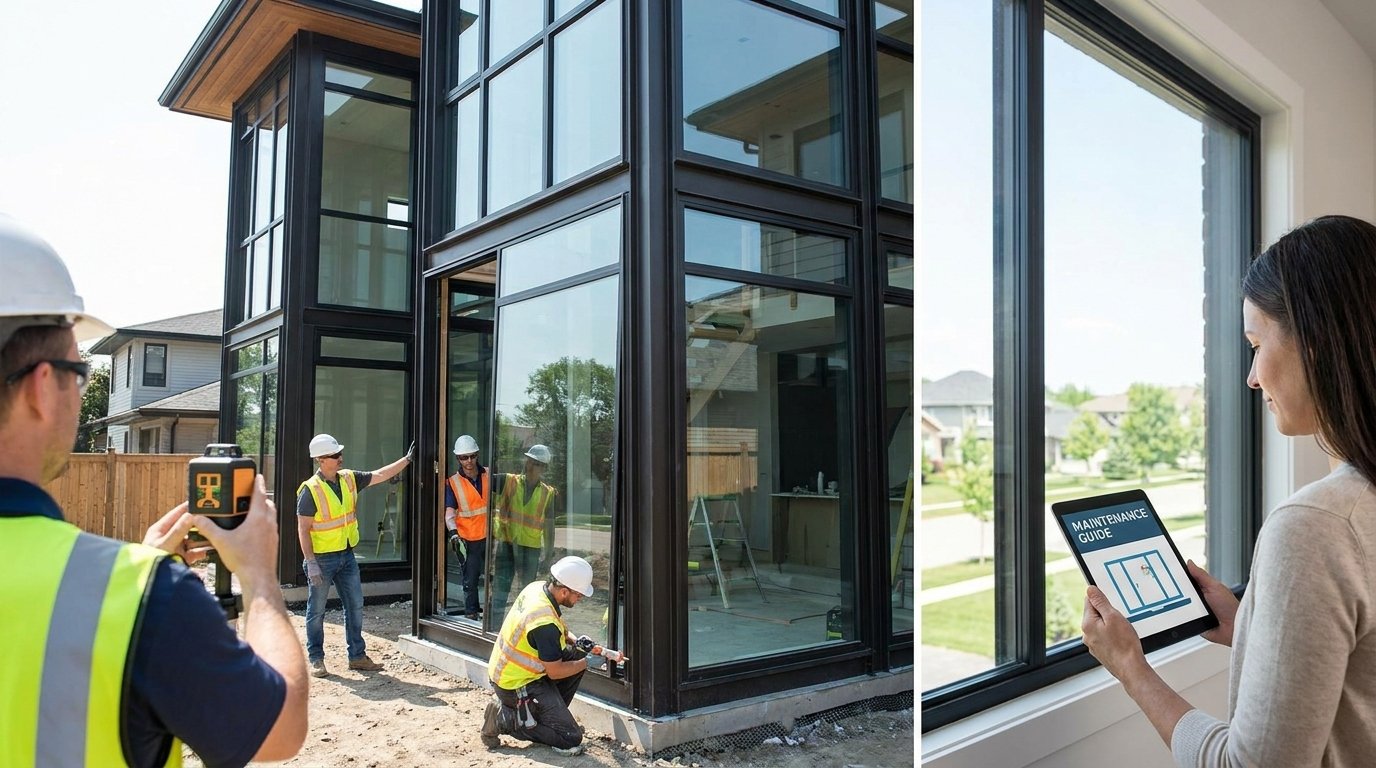
Windows are one of the most important components of any residential or commercial property. They influence natural lighting, ventilation, insulation, energy efficiency, and overall architectural appearance. As building technologies continue to evolve, modern window installation solutions now offer homeowners advanced materials, improved energy performance, and greater design flexibility than ever before.
Professional Window Installation is not only about improving appearance but also about enhancing comfort, reducing energy consumption, and increasing long-term property value. Understanding modern installation techniques and proper maintenance practices helps homeowners maximize the benefits of their investment while ensuring long-lasting performance.
Why Modern Window Installation Matters
Older or poorly installed windows can create many problems within a home. Drafts, moisture intrusion, poor insulation, and operational difficulties are common issues associated with outdated systems.
Modern Window Installation addresses these concerns by incorporating energy-efficient technologies, advanced sealing systems, and precision installation methods. Professionally installed windows improve both functionality and visual appeal while supporting better indoor comfort.
Modern solutions also help reduce long-term maintenance and improve overall durability.
Understanding Energy-Efficient Window Technology
Energy efficiency is one of the most important features of modern windows. Advanced glass technologies and insulated frame materials significantly reduce heat transfer between indoor and outdoor environments.
Modern Window Installation often includes features such as Low-E glass coatings, gas-filled panes, thermal spacers, and multi-pane designs. These technologies help maintain stable indoor temperatures and reduce the workload placed on heating and cooling systems.
Improved efficiency leads to lower energy bills and greater year-round comfort.
Choosing the Right Window Style
Selecting the correct window style is an important part of any installation project. Different window designs offer unique benefits depending on the room layout, ventilation needs, and architectural style of the home.
Double-hung windows provide classic versatility and easy cleaning access. Casement windows offer excellent ventilation and energy efficiency through tight sealing systems. Sliding windows are practical for wide openings, while picture windows maximize natural light and outdoor views.
Bay and bow windows add depth and architectural character, while custom-shaped windows provide a more personalized appearance.Choosing the right style during Window Installation helps homeowners achieve both functional and aesthetic goals.
Importance of Frame Materials
Window frame materials directly affect insulation performance, durability, maintenance requirements, and overall appearance.
Vinyl frames are among the most popular modern choices because they are affordable, energy efficient, and resistant to moisture. Fiberglass frames provide exceptional durability and thermal performance, while wood frames offer timeless beauty and natural insulation.
Aluminum frames are lightweight and modern in appearance but may require thermal breaks for better insulation.Selecting quality frame materials during Window Installation ensures long-term performance and reliability.
Accurate Measurements and Planning
One of the most critical stages of professional Window Installation is accurate measurement. Even minor measurement errors can result in gaps, poor sealing, and operational problems.
Professional installers carefully evaluate window openings, structural conditions, and surrounding materials before installation begins. Proper planning ensures that the new windows fit securely and function correctly.Careful preparation also helps avoid unnecessary delays or future repair issues.
Proper Sealing and Insulation Techniques
Modern Window Installation relies heavily on proper sealing and insulation to prevent air and water leaks.
Installers use advanced flashing systems, weather barriers, insulation foam, and weatherproof sealants to create airtight and watertight protection around the frame. These materials help prevent drafts, moisture damage, and energy loss.Correct sealing techniques also protect the structural integrity of walls and surrounding building materials.
Improving Indoor Comfort Through Window Installation
Professionally installed modern windows improve indoor comfort in several important ways. Better insulation helps maintain consistent room temperatures, while advanced glass systems reduce excessive heat gain and cold drafts.
Modern Window Installation also improves ventilation by allowing smoother window operation and better airflow control.The result is a more comfortable living environment throughout all seasons.
Natural Light and Interior Design Benefits
Natural light has a major impact on how interior spaces feel and function. Bright rooms often appear larger, cleaner, and more welcoming.
Modern Window Installation solutions frequently incorporate larger glass areas and slimmer frames to maximize daylight exposure. Proper window placement can brighten darker rooms and reduce dependence on artificial lighting.Natural light also contributes to improved mood and a more pleasant indoor atmosphere.
Reducing Outside Noise
Noise reduction is another major advantage of modern window systems. Multi-pane glass and insulated frames help block outside sounds from traffic, construction, and neighboring properties.
Professional Window Installation ensures proper sealing around the frame, which is essential for maximizing sound insulation performance.A quieter indoor environment improves relaxation, concentration, and overall quality of life.
Common Installation Mistakes to Avoid
Improper installation can reduce the effectiveness of even the highest-quality windows. Common mistakes include incorrect measurements, poor sealing, insufficient insulation, and improper frame alignment.
These issues can lead to drafts, water intrusion, condensation, and premature wear.Hiring experienced professionals for Window Installation helps prevent these problems and ensures long-term reliability.
Long-Term Maintenance Tips
Regular maintenance is essential for preserving window performance and appearance over time.
Homeowners should clean glass and frames regularly to remove dirt and debris. Hinges, tracks, and moving components should be inspected and lubricated when necessary.
Checking weatherstripping and seals periodically helps identify potential air leaks before they become major issues.Routine maintenance after Window Installation helps extend the lifespan of the windows and maintain energy efficiency.
Protecting Windows from Weather Damage
Exterior windows are constantly exposed to sunlight, moisture, wind, and temperature fluctuations. Over time, weather exposure can affect seals, finishes, and moving parts.
Modern window materials are designed for improved weather resistance, but routine inspections are still important. Homeowners should monitor for signs of condensation, cracking, or seal failure.Preventive maintenance protects Window Installation investments and reduces future repair costs.
Increasing Property Value
Modern windows are considered a valuable upgrade in today’s real estate market. Buyers often prioritize homes with energy-efficient features and updated systems.
Professional Window Installation improves curb appeal, comfort, and operating efficiency, making properties more attractive to potential buyers.Well-installed windows also signal quality maintenance and reduce concerns about future repair expenses.
Benefits of Professional Installation Services
Professional installers have the knowledge and tools needed to complete projects safely and accurately. They understand building codes, insulation requirements, and manufacturer specifications.
Expert Window Installation ensures proper fit, secure attachment, and reliable long-term performance. Professionals can also identify hidden structural issues that may affect the project.Choosing experienced installers helps homeowners avoid costly mistakes and achieve better overall results.
Conclusion
Modern window installation solutions combine advanced technology, improved energy efficiency, and attractive design to enhance both residential comfort and property value. From accurate planning and proper sealing techniques to selecting durable materials and maintaining long-term performance, every step of the process plays an important role in the success of the project.
By investing in professional Window Installation and following proper maintenance practices, homeowners can enjoy improved insulation, reduced energy costs, greater natural light, and lasting visual appeal for many years to come
Home Improvement
Modern Roof Replacement Solutions for Improving Home Safety, Efficiency, and Weather Protection
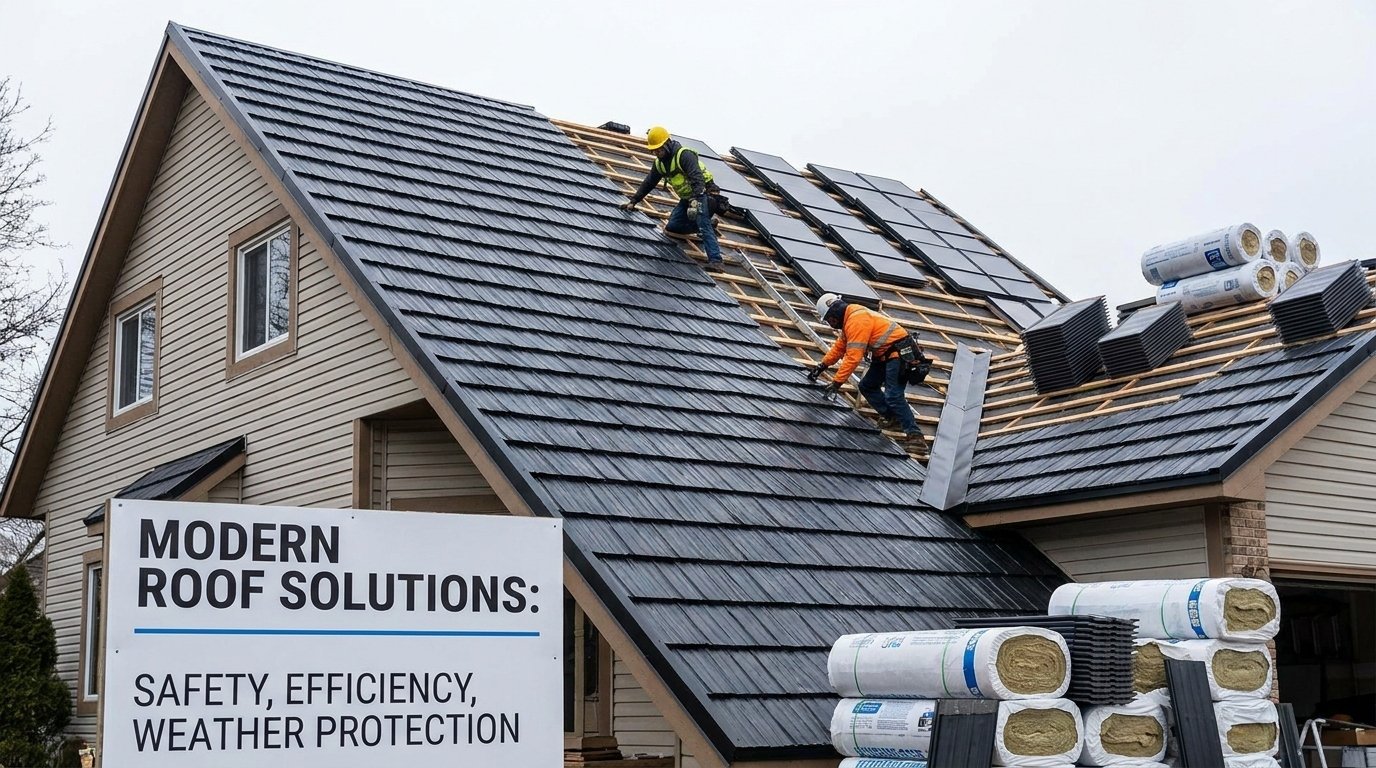
A home is one of the most valuable investments a person can make, and every part of that structure plays an important role in maintaining comfort, safety, and long-term value. Among all the structural components of a house, the roof is perhaps the most critical because it serves as the first line of defense against harsh weather conditions, moisture, sunlight, wind, and environmental damage. A well-maintained roof not only protects the interior of a home but also contributes significantly to energy efficiency and overall curb appeal. However, no roofing system lasts forever. Over time, even the strongest materials begin to deteriorate, making roof replacement an essential consideration for homeowners who want to maintain the integrity of their property.
Many people underestimate the importance of replacing an aging roof until serious issues begin to appear. Small leaks, missing shingles, water stains, and rising utility bills often indicate that the roofing system is no longer functioning efficiently. Ignoring these warning signs can lead to expensive structural repairs, mold growth, damaged insulation, and even compromised safety within the home. Investing in a modern roofing system at the right time helps homeowners avoid these costly problems while also increasing the value and appearance of the property.
The roofing industry has evolved significantly over the years, offering homeowners a wide variety of materials, designs, and technologies that improve durability, weather resistance, and energy performance. Whether a homeowner prefers traditional asphalt shingles, durable metal roofing, or premium tile systems, modern solutions are designed to provide better protection and longer lifespans than older roofing materials. Understanding the importance of roof maintenance and replacement can help homeowners make informed decisions that protect their investment for decades to come.
Why the Roof Is One of the Most Important Parts of a Home
The roof does far more than simply cover the top of a building. It acts as a complete protective system that shields the structure from external elements while supporting indoor comfort and stability. Every season exposes the roof to different environmental pressures, including heavy rain, snow, strong winds, extreme heat, and ultraviolet radiation. Over time, these conditions weaken roofing materials and reduce their effectiveness.
A strong roofing system prevents water infiltration that could otherwise damage ceilings, walls, insulation, and electrical systems. Even a small leak can eventually lead to mold growth, wood rot, and structural weakening if left untreated. This is why regular inspections and timely repairs are essential for maintaining the safety and performance of a home.
Another major function of the roof is insulation and temperature regulation. Roofing materials help control heat transfer between the interior and exterior of the home. A damaged or outdated roof may allow excessive heat to enter during warm weather and escape during colder months, causing heating and cooling systems to work harder. This not only increases energy bills but also places unnecessary strain on HVAC equipment.
In addition to protection and insulation, the roof contributes significantly to a property’s visual appeal. The style, color, and condition of the roof influence how the entire house looks from the outside. A clean and modern roof can dramatically improve curb appeal and create a strong first impression for visitors or potential buyers.
Signs That Indicate It May Be Time for a New Roof
Many homeowners delay replacing their roof because they assume repairs will continue solving the problem. While minor repairs can extend the life of a roofing system temporarily, there comes a point when replacement becomes the more practical and cost-effective solution. Recognizing the warning signs early can help prevent severe structural damage and expensive emergency repairs.
One of the most common signs of roof deterioration is missing or damaged shingles. Asphalt shingles may begin curling, cracking, or losing granules as they age. Once shingles become compromised, the underlying layers of the roof become vulnerable to moisture penetration and weather exposure.
Water stains on ceilings or walls are another major indication of roofing problems. These stains often suggest that leaks have developed somewhere within the roofing system. Even if the leak appears small, moisture can spread inside walls and insulation, causing hidden damage over time.Sagging roof sections are particularly serious because they may indicate structural weakening beneath the surface. This issue should never be ignored, as it could eventually lead to collapse or extensive interior damage if not addressed promptly.
Mold, mildew, and moss growth can also suggest excessive moisture retention on the roof. While some surface growth may appear harmless initially, it often accelerates material deterioration and shortens the roof’s lifespan.Homeowners may also notice increasing energy bills when the roof loses its insulating effectiveness. Poor ventilation and aging materials can make indoor temperatures more difficult to regulate, leading to higher heating and cooling costs throughout the year.
When these issues become frequent or widespread, investing in professional roof replacement services is often the best way to restore protection, efficiency, and peace of mind.
Different Roofing Materials and Their Benefits
Modern roofing systems are available in a wide variety of materials, each offering unique advantages related to durability, aesthetics, maintenance, and cost. Selecting the right material depends on factors such as climate, budget, architectural style, and long-term performance goals.
Asphalt shingles remain the most widely used roofing material because they are affordable, versatile, and relatively easy to install. They come in numerous colors and styles, allowing homeowners to match different architectural designs. Modern asphalt shingles also provide improved weather resistance and can last for decades with proper maintenance.Metal roofing has become increasingly popular due to its exceptional durability and energy efficiency. Metal roofs resist fire, wind, and moisture while reflecting solar heat that helps reduce cooling costs. Although the initial investment may be higher than asphalt shingles, metal roofs often last significantly longer and require less maintenance over time.
Clay and concrete tiles are known for their elegant appearance and remarkable longevity. These materials perform especially well in warm climates because they resist heat effectively. Tile roofs can last for many decades when properly installed, though they are heavier and may require additional structural support.
Wood shakes and shingles provide a natural and timeless appearance that many homeowners appreciate. Cedar is one of the most common wood roofing materials because it offers natural resistance to insects and decay. However, wood roofing requires more maintenance than some other options and may not be suitable for all climates.Slate roofing is considered one of the most premium roofing materials available. It offers unmatched durability, fire resistance, and visual appeal. A properly maintained slate roof can last over a century, making it a valuable long-term investment despite its higher upfront cost.
Synthetic roofing materials have also gained popularity in recent years. These products are designed to replicate the appearance of natural materials while offering enhanced durability, reduced weight, and lower maintenance requirements.
The Financial Advantages of Investing in a New Roof
While many homeowners initially focus on the expense of installing a new roof, it is important to consider the long-term financial benefits associated with modern roofing systems. A high-quality roof can improve property value, reduce maintenance costs, and increase overall energy efficiency.
One of the biggest advantages of replacing an old roof is the increase in resale value. Potential buyers often view a new roof as a major benefit because it reduces the likelihood of future repair expenses. Homes with updated roofing systems generally attract more interest and may sell faster than properties with visibly aging roofs.
Energy efficiency is another significant financial benefit. Modern roofing materials are designed to improve insulation and reflect heat more effectively. This helps reduce heating and cooling costs throughout the year, leading to noticeable savings on utility bills over time.Frequent repairs can become costly when a roof reaches the end of its lifespan. Instead of repeatedly fixing leaks and replacing damaged shingles, homeowners often save money in the long run by choosing complete roof replacement before problems worsen.
Insurance benefits may also apply in some situations. Certain roofing materials offer improved resistance to fire, storms, and impact damage, which could potentially qualify homeowners for reduced insurance premiums depending on local policies and regulations.
The Importance of Professional Roof Installation
Even the best roofing materials cannot perform properly if installation is handled incorrectly. Professional roofing contractors understand the technical aspects of roof construction, ventilation, drainage, and weatherproofing. Their expertise ensures that every component of the system functions together effectively.
Improper installation can lead to leaks, poor ventilation, shortened material lifespan, and structural issues. These problems may not become visible immediately, but they can cause serious damage over time. Hiring experienced professionals helps homeowners avoid costly mistakes while ensuring compliance with manufacturer warranty requirements.Professional roofers also conduct detailed inspections before beginning work. This allows them to identify hidden issues such as damaged decking, moisture buildup, or weakened structural components that may need repair before installation proceeds.
Safety is another critical factor. Roofing projects involve heights, heavy materials, and specialized equipment that require proper training and precautions. Professional contractors have the necessary tools and safety protocols to complete projects efficiently and safely.Additionally, experienced roofing professionals can provide valuable recommendations regarding material selection, ventilation improvements, and maintenance strategies based on climate conditions and homeowner preferences.
How Roof Replacement Improves Energy Efficiency
Energy efficiency has become an increasingly important priority for homeowners seeking to reduce utility costs and environmental impact. Roofing systems play a major role in controlling indoor temperatures and minimizing energy loss.Modern roofing materials often include reflective coatings or enhanced insulation properties that reduce heat absorption during warm weather. This helps keep indoor spaces cooler and decreases reliance on air conditioning systems.
Proper attic ventilation is equally important. A poorly ventilated roof can trap heat and moisture, leading to higher energy consumption and potential damage to insulation or structural components. Professional roofing systems are designed to improve airflow and maintain balanced attic temperatures throughout the year.
Insulated roofing systems also help prevent heat loss during colder months, reducing the workload on heating systems. This creates a more comfortable indoor environment while lowering overall energy expenses.By upgrading to modern materials and ventilation systems, homeowners can significantly improve efficiency while also reducing their environmental footprint. In many cases, energy savings continue for decades after installation.
Choosing the Right Roofing Style and Color
The roof has a major influence on the overall appearance of a home, making style and color selection important decisions during the renovation process. Homeowners should choose options that complement the architecture of the property while also considering long-term durability and maintenance.
Neutral colors such as gray, black, brown, and beige remain popular because they offer timeless appeal and coordinate well with various exterior finishes. These shades also tend to maintain resale value due to their broad market appeal.Darker roofing colors create a bold and dramatic appearance, while lighter shades may help reflect sunlight and improve energy efficiency in warmer climates. Homeowners should also consider how roofing colors interact with siding, trim, landscaping, and neighborhood aesthetics.
Architectural shingles are increasingly popular because they add texture and depth to the roofline. Unlike traditional flat shingles, these products create a dimensional appearance that enhances curb appeal and visual character.Metal roofing systems are available in a growing variety of colors and finishes, allowing homeowners to achieve both modern and traditional aesthetics depending on their preferences.
Maintenance Tips to Extend Roof Lifespan
Although modern roofing systems are designed for durability, regular maintenance remains essential for maximizing performance and longevity. Preventative care can help homeowners identify minor issues before they become expensive problems.
Routine inspections should be conducted at least twice a year, particularly after severe storms or extreme weather conditions. Homeowners should check for damaged shingles, loose flashing, clogged gutters, and signs of water intrusion.Keeping gutters clean is especially important because blocked drainage systems can cause water to back up onto the roof, increasing the risk of leaks and structural damage.
Tree branches should be trimmed away from the roof to prevent abrasion, debris accumulation, and potential impact damage during storms. Proper airflow around the roof also helps reduce moisture retention and mold growth.
Moss and algae should be removed carefully to prevent deterioration of roofing materials. Specialized cleaning methods and treatments can help preserve appearance and structural integrity without causing damage.Professional inspections every few years provide additional peace of mind by identifying hidden issues that homeowners may overlook. Early intervention often prevents more extensive repairs and extends the life of the roofing system.
Final Thoughts on Protecting Your Home With a Strong Roof
A reliable roof is essential for protecting a home, maintaining comfort, and preserving long-term property value. While many homeowners focus primarily on interior upgrades, exterior protection is equally important for ensuring the safety and stability of the entire structure. Delaying necessary repairs or ignoring warning signs can lead to significant structural damage, increased energy costs, and expensive future renovations.
Modern roofing materials offer exceptional durability, energy efficiency, and design flexibility that make them a worthwhile investment for homeowners seeking long-term value. Whether the goal is improving curb appeal, enhancing insulation, or preventing water damage, a professionally installed roofing system provides benefits that extend far beyond appearance alone.
Investing in timely roof replacement not only strengthens the structural integrity of a property but also improves comfort, efficiency, and peace of mind for years to come. With proper planning, high-quality materials, and professional installation, homeowners can enjoy a durable and visually appealing roof that protects their investment through every season.
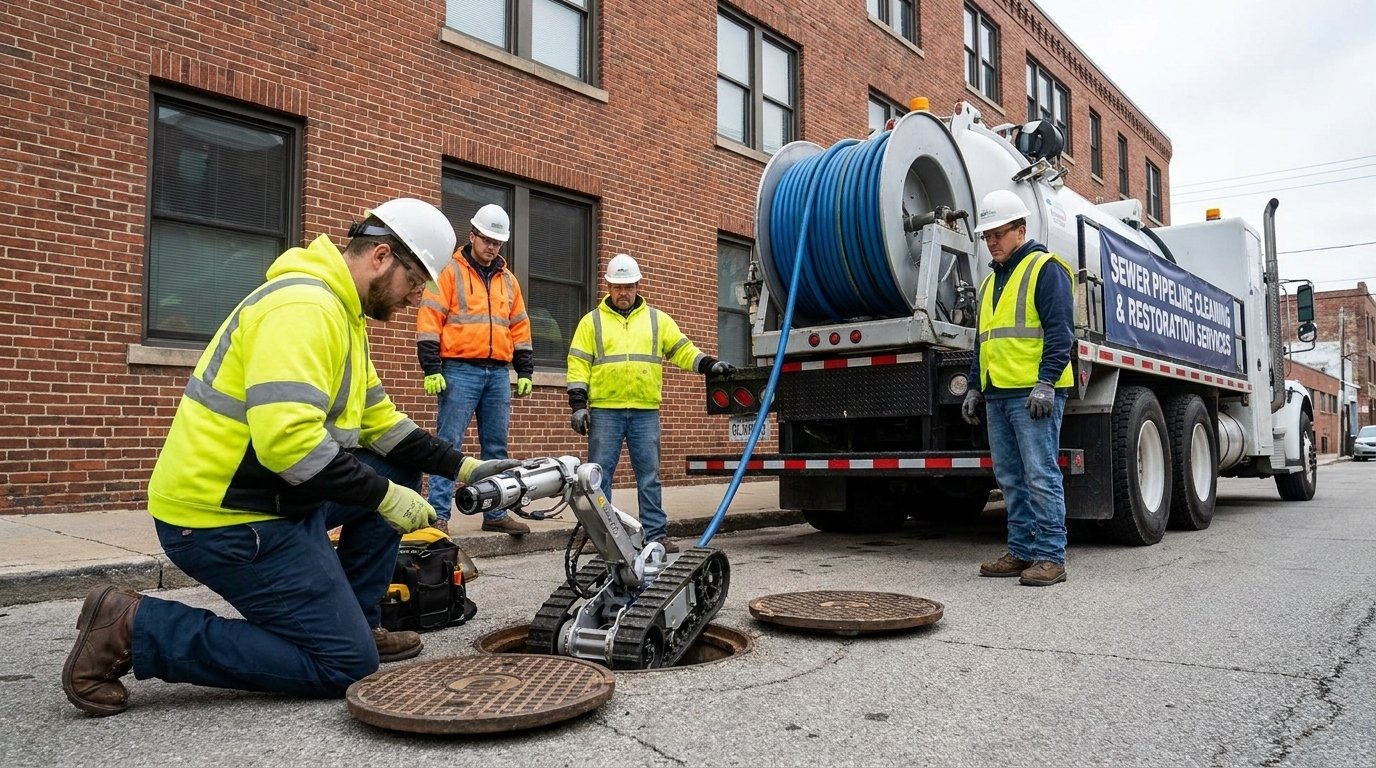
Introduction to Sewer Line Systems in Modern Infrastructure
A sewer line is one of the most essential yet least noticed parts of any residential or commercial property. It plays a critical role in transporting wastewater away from buildings and directing it toward municipal treatment systems or septic tanks. Although it remains hidden underground, its performance directly affects sanitation, hygiene, and overall environmental safety. A properly functioning sewer line ensures that wastewater flows smoothly without causing backups, unpleasant odors, or structural damage to surrounding areas.
Modern drainage systems are designed to handle large volumes of wastewater efficiently, but they are still vulnerable to damage over time. Soil movement, tree root intrusion, aging materials, and improper usage can all contribute to sewer line deterioration. When problems occur, they often escalate quickly and require immediate attention to prevent serious damage. Understanding how sewer systems work and recognizing early signs of failure can help homeowners avoid costly repairs and health risks.
How Sewer Lines Work in Residential and Commercial Properties
A sewer line operates as a network of underground pipes that collect wastewater from toilets, sinks, showers, and other drainage points inside a building. This wastewater flows through a main pipe that connects the property to a larger municipal sewer system or a private septic system. Gravity is the primary force that drives this movement, although some systems may use pumps in areas where natural slope is insufficient.
The entire system depends on proper slope, pipe integrity, and unobstructed flow. Even a small blockage can disrupt the entire drainage process, leading to slow drainage or complete system failure. Sewer lines are typically made from durable materials such as PVC, cast iron, or clay, each with its own advantages and limitations. While these materials are designed to last for decades, external factors can significantly reduce their lifespan.
Common Causes of Sewer Line Damage
One of the most common causes of sewer line damage is tree root intrusion. Tree roots naturally seek moisture and nutrients, and underground pipes provide an ideal source. Over time, roots can penetrate small cracks in the pipe and expand, causing blockages or even complete pipe collapse. This type of damage is often gradual but can eventually lead to severe drainage problems.
Another major cause is aging infrastructure. Older sewer lines made from clay or cast iron are more susceptible to corrosion, cracking, and deterioration. As pipes age, they become weaker and more prone to leaks or collapses. In many cases, homeowners are unaware of the condition of their sewer lines until a major issue occurs.
Improper disposal of waste is also a significant contributing factor. Flushing non-biodegradable items, grease, oils, and foreign materials can lead to blockages inside the pipe. These obstructions restrict water flow and create pressure buildup, which may eventually damage the system.
Soil movement and ground shifting can also impact sewer line stability. Natural events such as earthquakes, heavy rainfall, or construction activity nearby can cause pipes to shift, crack, or disconnect. Once the alignment of the pipe is disturbed, the flow of wastewater becomes disrupted.
Early Warning Signs of Sewer Line Problems
Recognizing early warning signs of sewer line issues is essential for preventing major damage. One of the most common indicators is slow drainage across multiple fixtures. When sinks, toilets, and bathtubs all drain slowly at the same time, it often suggests a blockage in the main sewer line.
Unpleasant odors coming from drains or around the property are another clear warning sign. These odors are usually caused by trapped waste or gas buildup inside the pipes. If ignored, the problem can worsen and affect indoor air quality.
Frequent toilet backups or gurgling sounds in plumbing fixtures may also indicate sewer line issues. These sounds occur when air is trapped inside the pipes due to blockages or improper flow.
Another serious sign is the presence of wet or unusually green patches in the yard. This may indicate a leaking sewer line underground, which is releasing wastewater into the soil. Such leaks can lead to soil contamination and structural damage if not addressed promptly.
Understanding Sewer Line Inspection and Diagnosis
Proper inspection is the first step in identifying sewer line problems. Modern diagnostic techniques allow professionals to examine the interior condition of pipes without extensive digging. One of the most effective methods involves using specialized cameras that are inserted into the sewer line. These cameras provide real-time visuals of blockages, cracks, and structural damage.
During inspection, technicians assess the severity of the issue and determine the best course of action. In some cases, the problem may be minor and easily resolved through cleaning or clearing blockages. In more severe cases, pipe repair or replacement may be required.
Accurate diagnosis is essential because it prevents unnecessary repairs and ensures that the underlying issue is properly addressed. Without proper inspection, temporary fixes may only provide short-term relief while the actual problem continues to worsen.
Sewer Line Repair Methods and Techniques
There are several methods used to repair damaged sewer lines, depending on the type and severity of the problem. One common method is traditional excavation, where the damaged section of the pipe is exposed and replaced. Although this method is effective, it can be disruptive because it requires digging large sections of land.
A more modern approach is trenchless repair technology. This method allows technicians to repair or replace pipes with minimal digging. Techniques such as pipe lining involve inserting a resin-coated liner into the existing pipe, which hardens and forms a new inner surface. This approach is less invasive and often more cost-effective.
Another technique is pipe bursting, where the old pipe is broken apart while a new pipe is simultaneously installed in its place. This method is used when the existing pipe is too damaged to be repaired.
In cases of minor blockages, hydro jetting may be used to clear debris and restore proper flow. This method uses high-pressure water to remove buildup, grease, and obstructions inside the pipe.
Importance of Regular Sewer Line Maintenance
Regular maintenance is essential for preventing sewer line problems and extending the lifespan of the system. Routine inspections help identify early signs of damage before they become major issues. Preventive maintenance is always more cost-effective than emergency repairs.
One important maintenance practice is avoiding the disposal of harmful materials into drains. Items such as grease, wipes, and solid objects should never be flushed or washed down sinks. These materials can accumulate over time and cause serious blockages.
Tree root management is also an important aspect of maintenance. Homeowners should be cautious when planting trees near underground sewer lines. Regular inspections can help detect root intrusion early and prevent major damage.
Cleaning the sewer line periodically helps maintain smooth flow and prevents buildup. Professional cleaning methods ensure that pipes remain clear and functional.
A damaged sewer line can pose serious health and environmental risks. Wastewater contains harmful bacteria and pathogens that can contaminate soil and groundwater if leaks occur. Exposure to contaminated water can lead to various health issues, including infections and respiratory problems.
Environmental damage is also a major concern. Leaking sewer lines can affect nearby vegetation, pollute water sources, and disrupt local ecosystems. Proper repair and maintenance are essential for minimizing these risks and protecting public health.
Cost Considerations in Sewer Line Repair
The cost of sewer line repair depends on several factors, including the extent of damage, repair method used, pipe material, and accessibility. Minor repairs are generally more affordable, while major replacements can be significantly more expensive.
Trenchless repair methods are often considered more cost-effective in the long run because they reduce labor, excavation, and restoration costs. However, the best solution depends on the specific condition of the sewer line.
Preventive maintenance is the most cost-efficient approach, as it reduces the likelihood of emergency repairs and extends the lifespan of the system.
In some cases, repair is not sufficient, and full replacement becomes necessary. This usually occurs when the sewer line is severely damaged, collapsed, or made from outdated materials that are no longer reliable. Frequent blockages, recurring leaks, and structural failure are strong indicators that replacement is required.
Modern sewer line materials offer improved durability, better resistance to corrosion, and longer service life. Replacing an old system can significantly improve overall plumbing performance and reduce future maintenance costs.
Conclusion: Ensuring Long-Term Sewer System Efficiency
Sewer lines are a vital part of any property’s infrastructure, even though they often remain out of sight. Their proper functioning ensures sanitation, hygiene, and environmental safety. Understanding how sewer systems work, recognizing early warning signs, and investing in regular maintenance are essential for preventing costly damage.
Timely inspection and appropriate repair methods can significantly extend the lifespan of a sewer line system. Whether dealing with minor blockages or major structural issues, addressing problems early helps avoid serious complications. A well-maintained sewer system not only protects property value but also contributes to a safer and healthier living environment.
-

 Entertainment8 months ago
هنتاوي.com Hub for Trending Arabic Content and Digital Stories
-
Others8 months ago
Insert Han Reference Here: The Veilside Fortune RX-7
-
Others8 months ago
Infinite Power Fanfare: A Full Mugen Showcase In One EG Hatch
-
Others8 months ago
Everyday Show Car: Henry’s Jaos Complete Edition Toyota FJ Cruiser
-
Others8 months ago
Pure Rally Bred: Law’s Lancer Evolution VI Tommi Makinen Edition
-
Others8 months ago
Humble Celebrity: Ramon Bautista’s Lancer “Evo III”
-
Others8 months ago
Seafoam Dreams: Julian’s OEM+ Nissan SilEighty
-

 Technology8 months ago
Eporer Revolutionize Industries with Innovation and Efficiency